Dreaming about a weekend place where you can trade traffic and noise for mountain air and quiet nights? If you are thinking about buying in Example Neighborhood, it helps to look beyond the charm and ask whether the lifestyle truly fits how you want to spend your time and money. In this guide, you will learn what makes the Julian backcountry appealing for a weekend home, what ownership really looks like, and how to decide if it is the right match for you. Let’s dive in.
Why a weekend home can work here
The neighborhood name in the prompt appears to be placeholder text, so the most useful frame is Julian and the surrounding backcountry. Julian is an unincorporated mountain town in the Cuyamaca Mountains, about an hour east of San Diego, and it sits under County of San Diego jurisdiction. That county-level oversight matters because property, permitting, and infrastructure questions often run through the county.
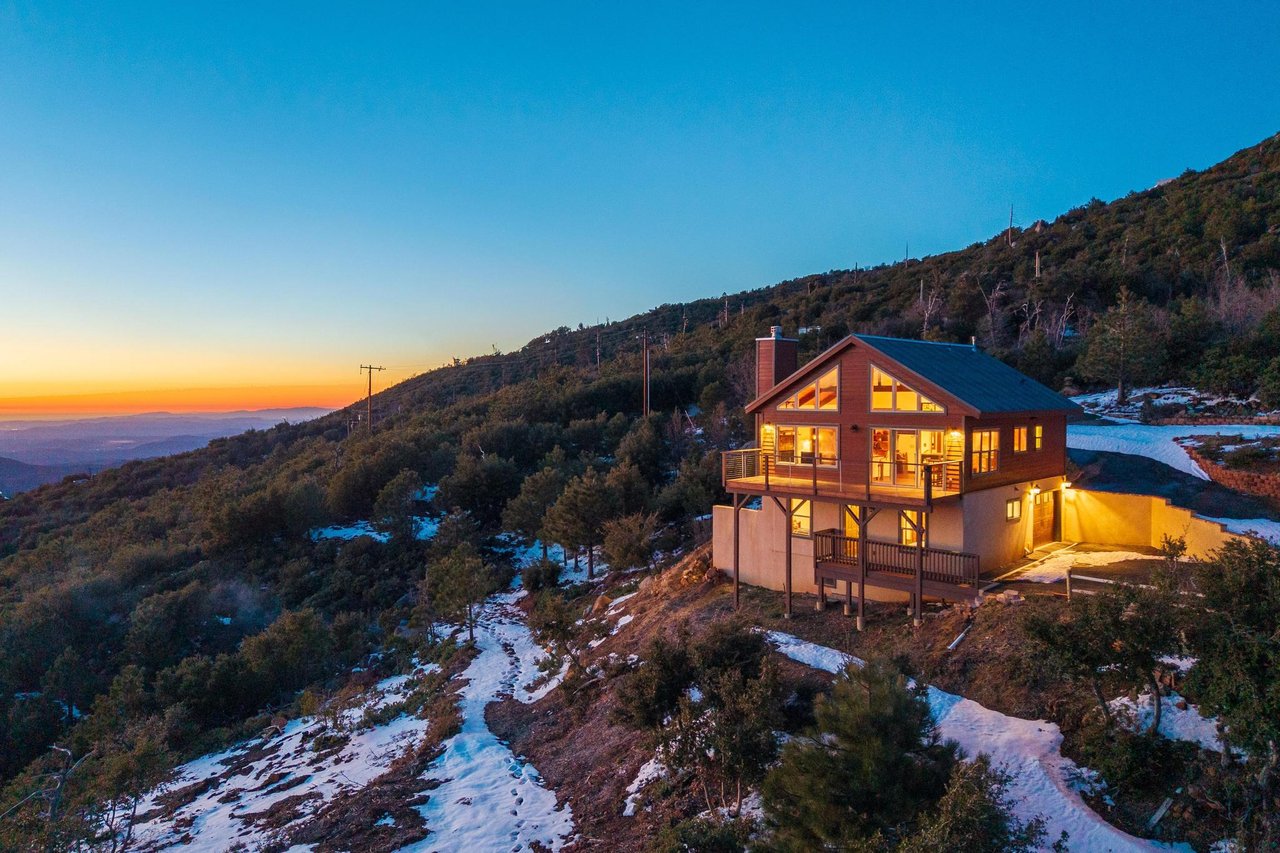
For many buyers, the biggest draw is that Julian feels like a true getaway market. Local area guides highlight hiking, camping, stargazing, lake recreation, parks, and year-round events. Places like Lake Cuyamaca and William Heise County Park add to that retreat feel with cabins, campsites, trailer sites, and weekend activities.
The seasons also shape the experience in a real way. NOAA climate normals for Julian show an annual mean temperature of 57.8°F, annual precipitation of 24.48 inches, and average annual snowfall of 6.4 inches. In practical terms, that means your weekend home may feel very different in summer than it does in the wetter, cooler months.
What kind of home fits the area
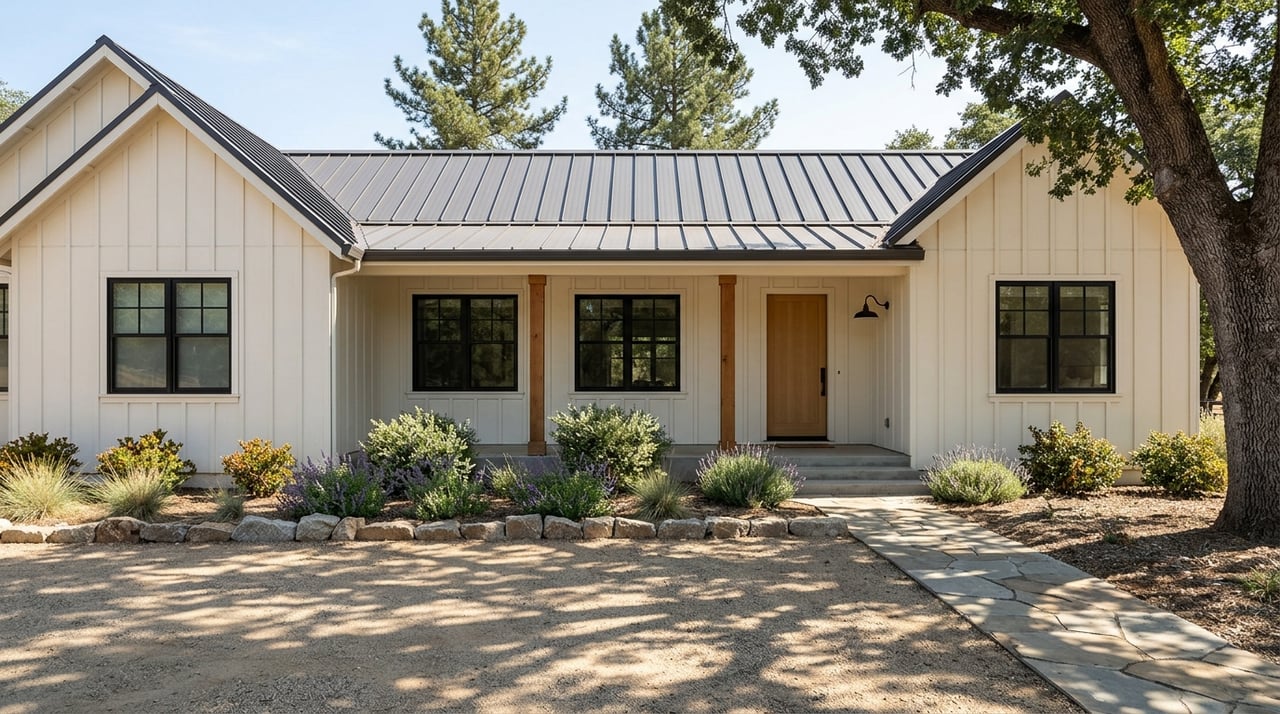
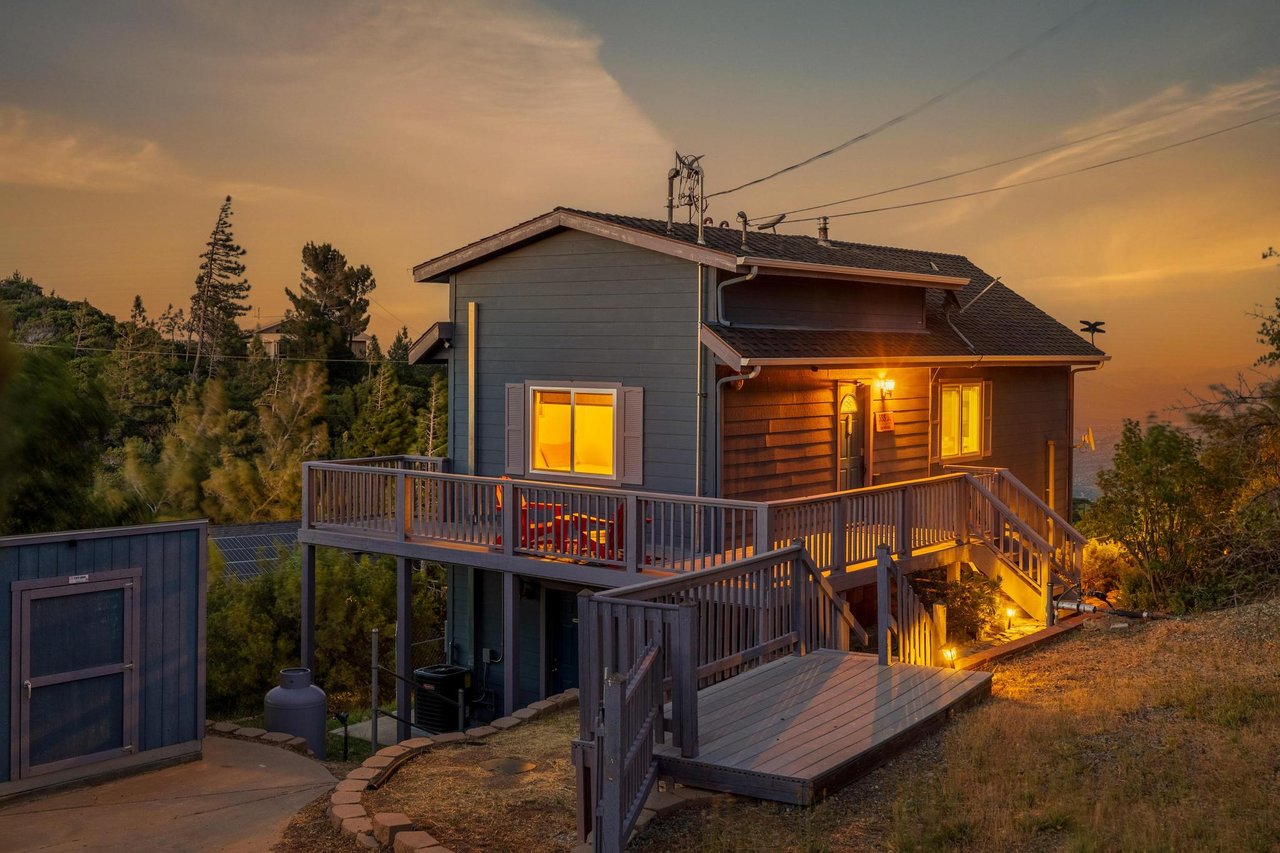
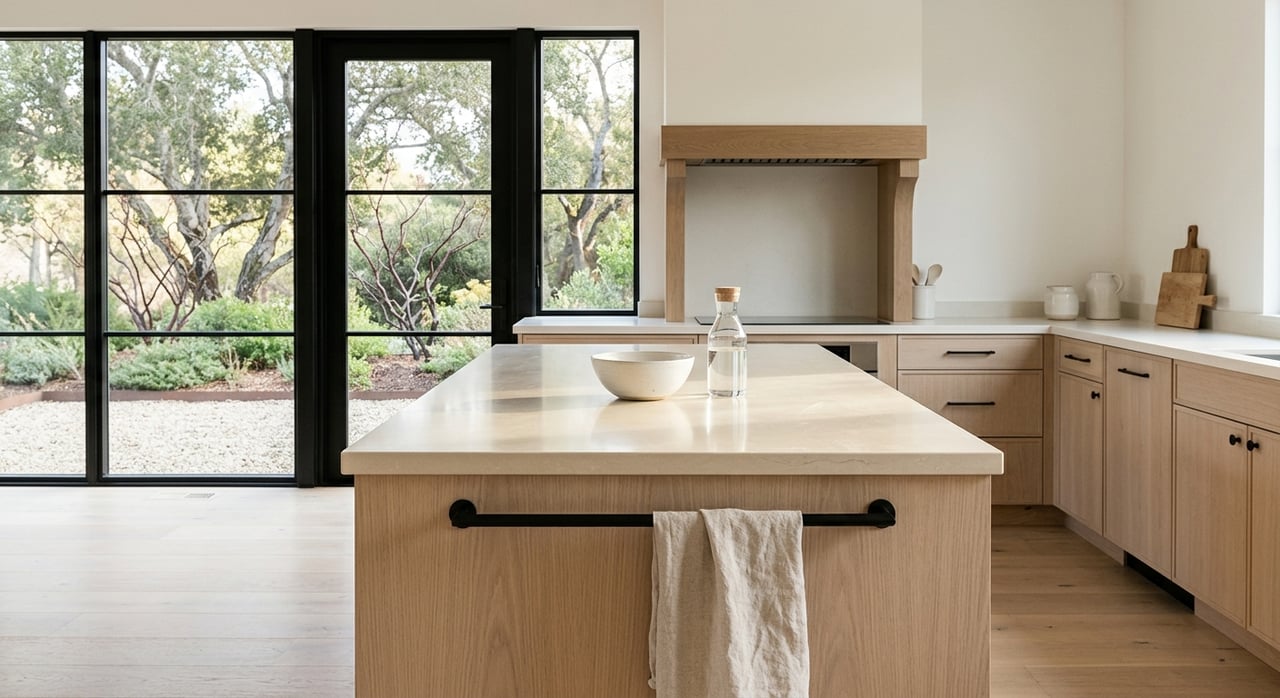
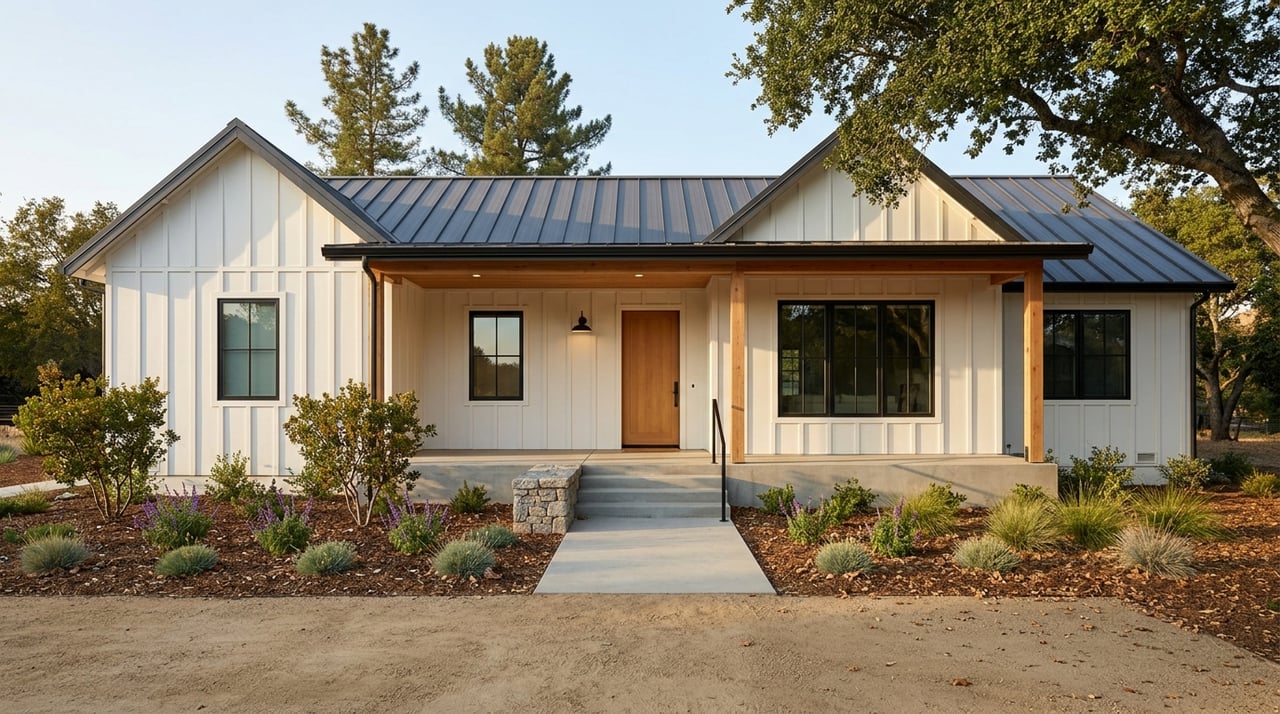
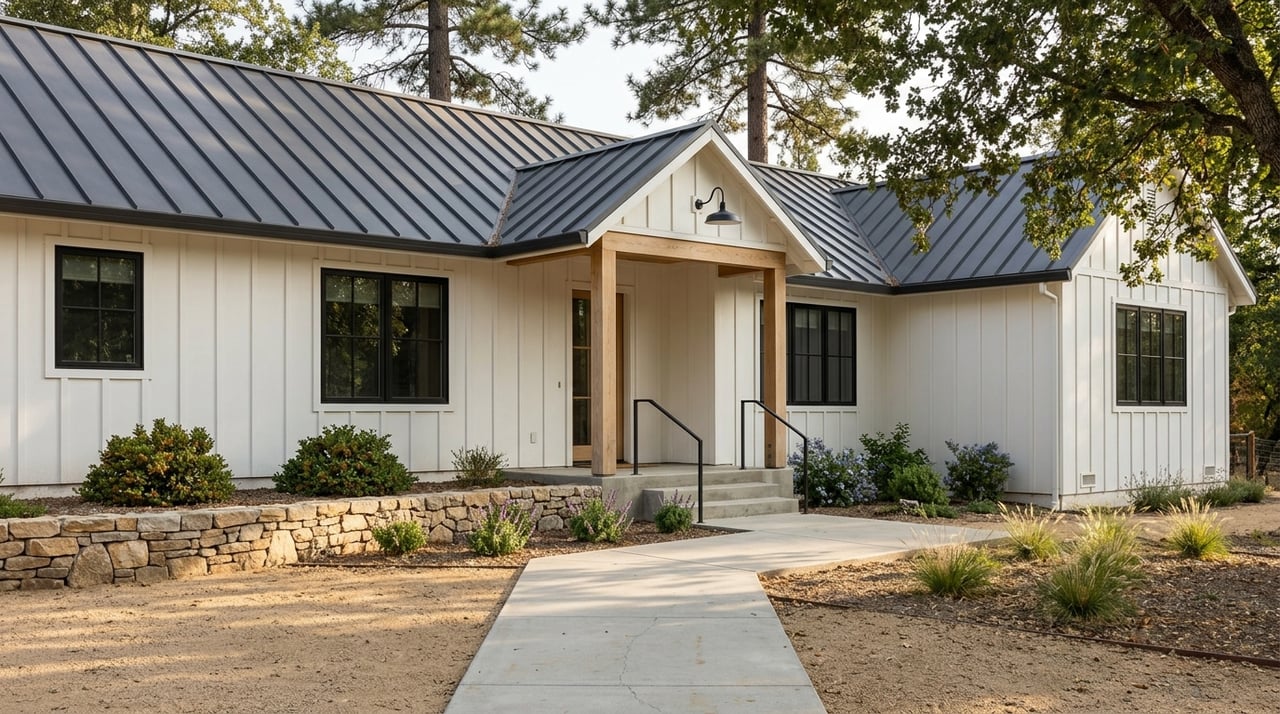
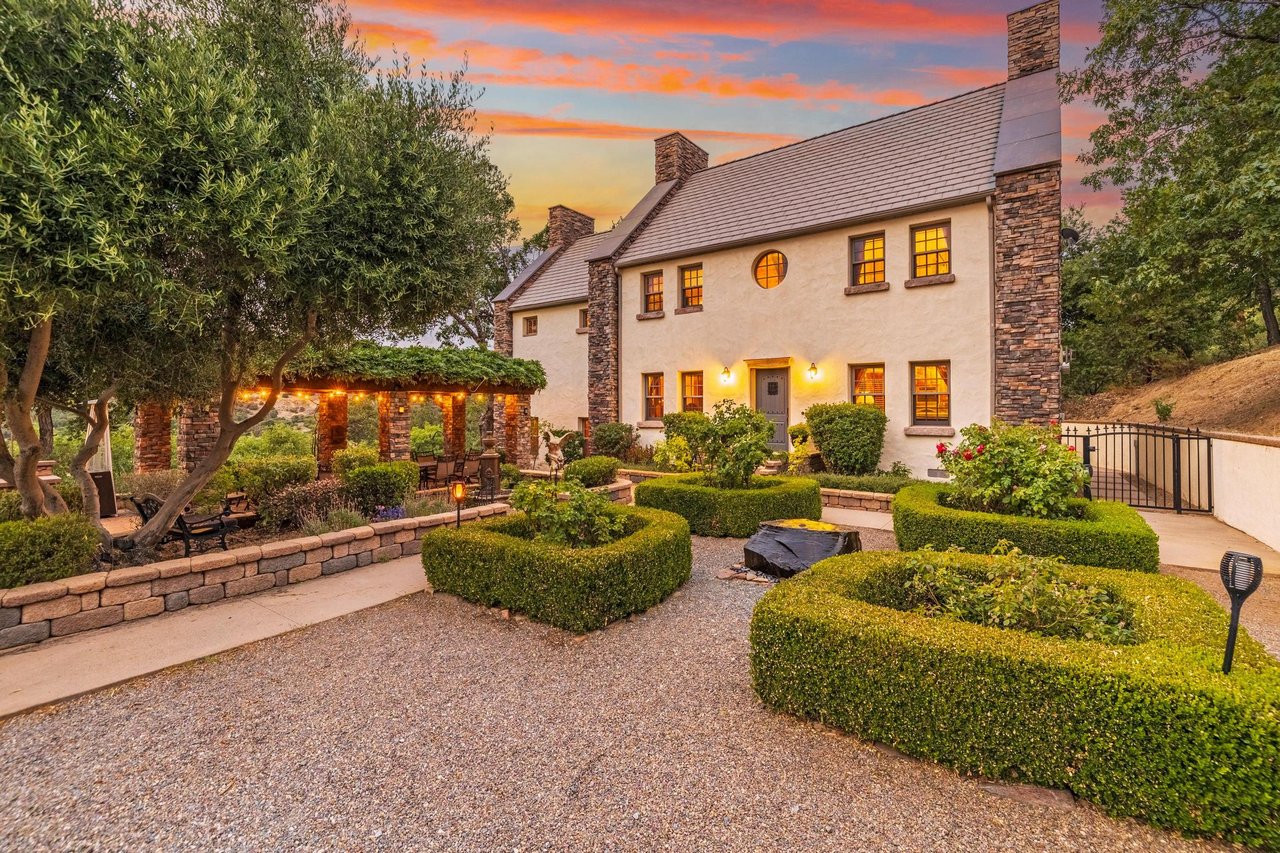
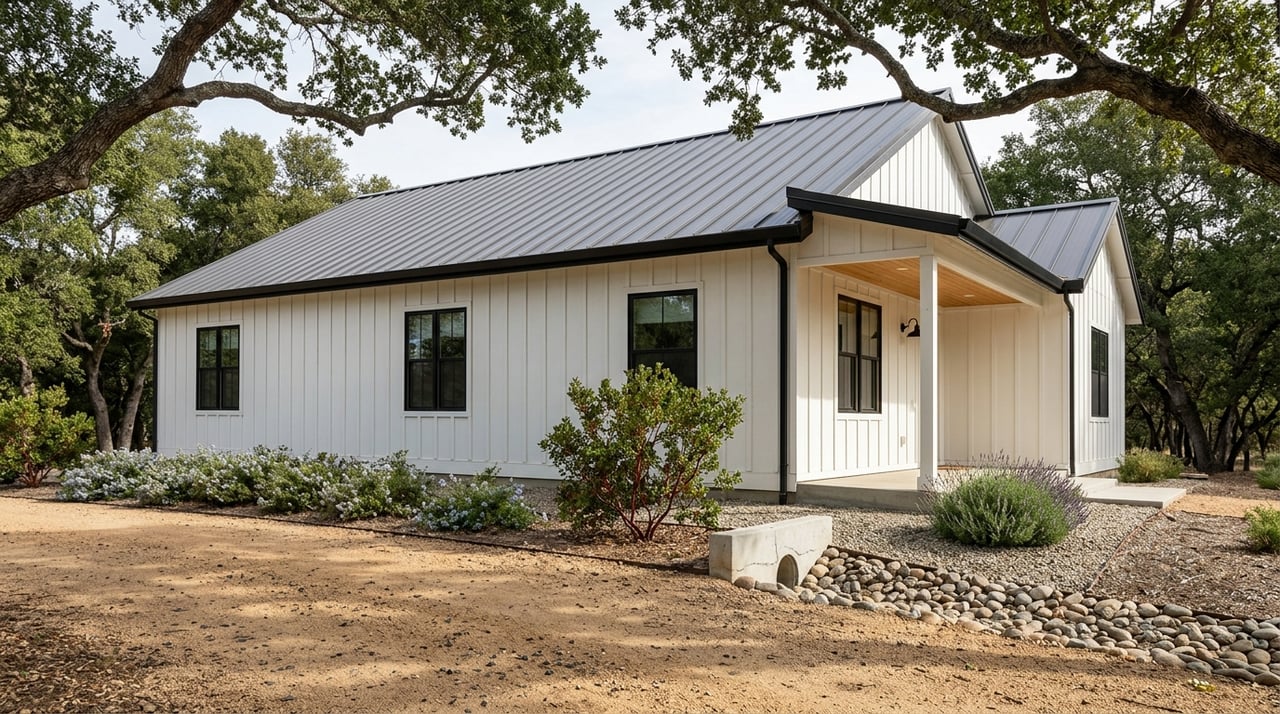
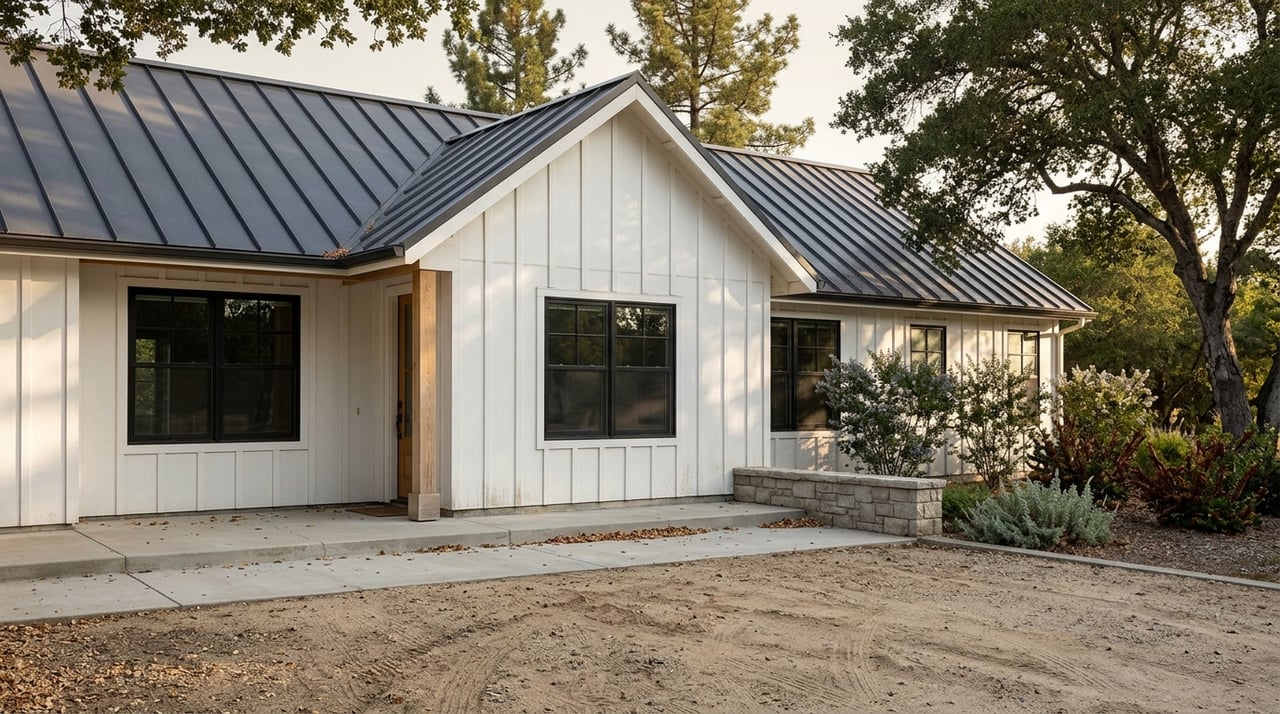
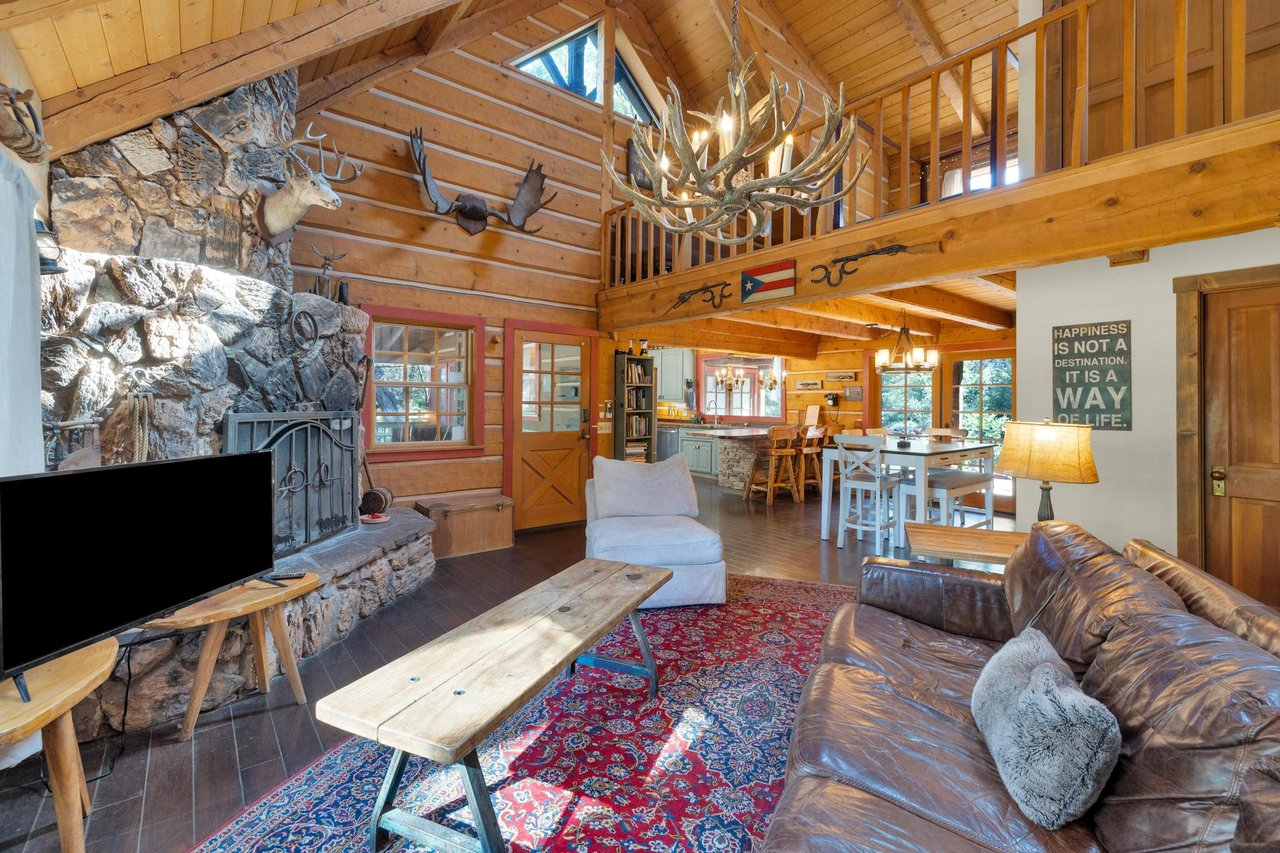
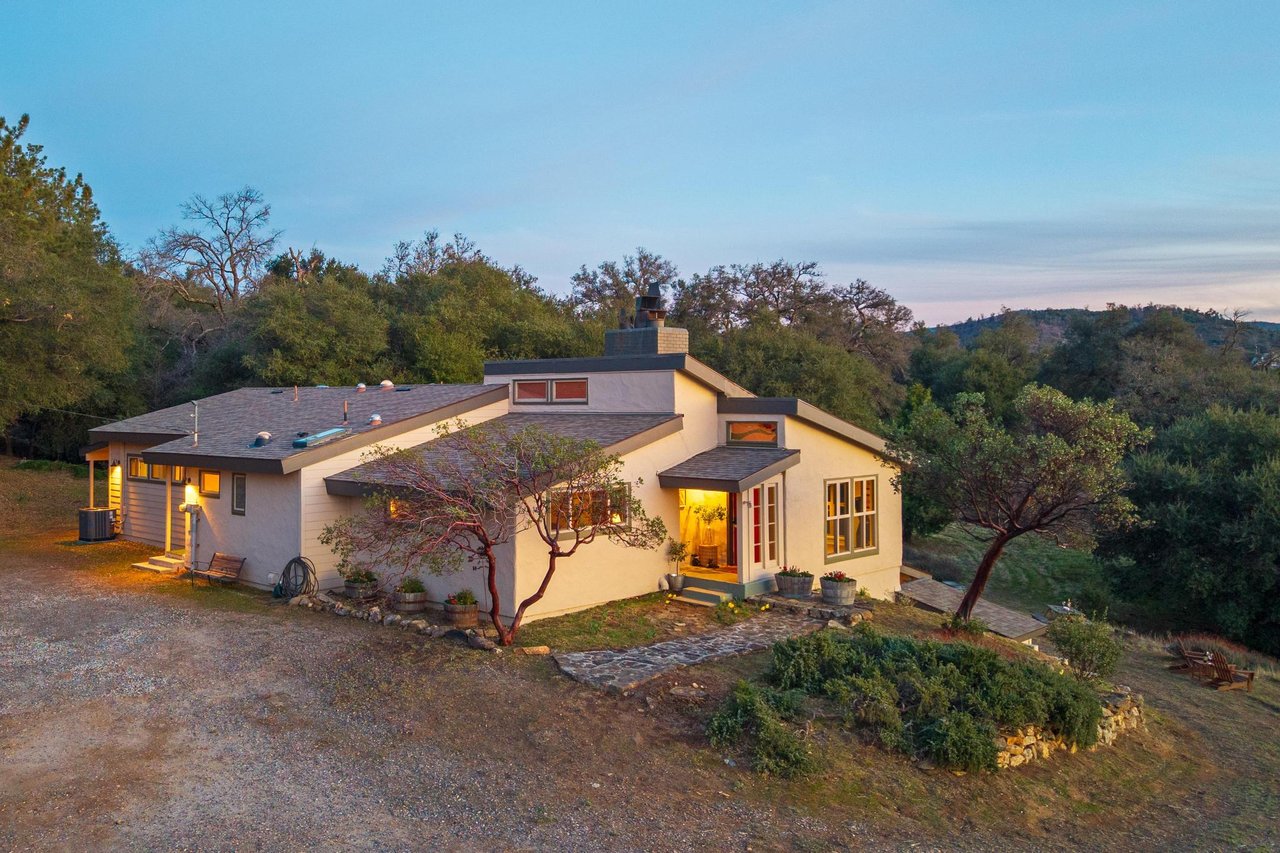
If you picture a mountain retreat, Julian often matches that image well. The local lodging mix includes cabins, cottages, farmhouses, lake houses, and rustic cabins, which gives you a good sense of the area’s overall feel. Even though lodging is not the same as for-sale inventory, it reflects the style many buyers expect when they shop here.
You will also find that Julian is not built like a dense town center. The county plan describes the Julian Historic District as a 758-acre area that includes the rural village core along with surrounding rural residential and agricultural land. That creates a mix of settings, from homes closer to town to properties with a more tucked-away backcountry feel.
Some buyers love the character of the historic core, but it comes with extra rules. In the Julian Historic District, the outside appearance of structures must resemble buildings from the 1870 to 1913 period as closely as possible, and site plans are reviewed by the Julian Historic District Architectural Review Board. If you hope to make major exterior changes later, that review process should be part of your decision from the start.
The biggest ownership realities
A weekend home in Julian can be rewarding, but it is rarely hands-off. Compared with an in-town second home, the biggest differences often come down to infrastructure, maintenance, and seasonal planning. These are the details that can make or break your ownership experience.
Water and wells
The county plan says the Julian area is served primarily by individual wells. In rural parts of San Diego County, wells are often the only source of potable water, and installation or modification requires a county permit. If a property uses a private well, you will want a clear understanding of how it works, who maintains it, and what future costs may look like.
Septic systems
Most structures in the Julian area depend on septic tanks for liquid waste disposal. Septic installation and modification are handled at the county level, and ongoing care remains the owner’s responsibility. Even if you only use the home part time, the system still needs regular attention.
EPA guidance notes that a typical household septic system should be inspected every 1 to 3 years and pumped every 3 to 5 years. Routine maintenance is usually far less expensive than major repairs or replacement. For a weekend-home owner, that means planning for service before there is a problem.
Utilities and service levels
Rural utility service can look different from what you may be used to in a suburban neighborhood. The county plan says San Diego Gas & Electric serves the area, but a natural gas distribution system is not expected, so onsite propane or butane tanks are common. Some areas also receive weekly trash service from a private hauler for a fee.
That does not make ownership difficult, but it does mean you should expect a more rural setup. If you want city-style convenience with minimal oversight, this may not feel like the right fit. If you are comfortable with a little more planning, it can be a very workable tradeoff.
Wildfire planning matters
Wildfire is a major part of owning property in Julian and the surrounding backcountry. The county plan notes that drought conditions and seasonal Santa Ana winds create severe fire danger in the area. This is not something to treat as a small side issue when you are choosing a weekend property.
County Fire has said the state updated its fire hazard severity map, and a property’s zone may have changed. CAL FIRE and the Office of the State Fire Marshal explain that these maps are based on fuel, terrain, fire history, and weather. They measure hazard, which is an important distinction when you are evaluating a home and planning next steps.
CAL FIRE recommends defensible space and home hardening as key mitigation steps. The California Department of Insurance also encourages homeowners to compare policies and treat wildfire mitigation as part of becoming safer from wildfire. In real terms, roof material, vegetation management, and ember exposure may affect both your budget and your insurance options.
Budget for more than the payment
One of the easiest mistakes with a second home is focusing too much on the purchase price and not enough on the full cost of ownership. Homeownership costs go beyond the mortgage and can include property taxes, homeowners insurance, utilities, maintenance, repairs, closing costs, moving expenses, and reserves for large repairs. Keeping emergency savings matters too.
For a weekend home in the Julian backcountry, your budget should also leave room for rural-specific needs. That may include well service, septic maintenance, propane, wildfire mitigation work, and seasonal upkeep. If you will not be at the home every week, you should also think about how you will stay ahead of maintenance between visits.
Who is a strong fit for this lifestyle
A weekend home here can be a great match if you want a repeatable mountain getaway within about an hour of San Diego. It also helps if you are drawn to the feel of a cabin, cottage, farmhouse, or small-acreage retreat. Buyers who enjoy outdoor recreation and do not mind a little more property oversight often feel right at home.
This kind of purchase can be especially appealing if you want your weekends to feel different from your daily routine. The area’s mix of scenery, recreation, and seasonal change supports that goal well. If part of your vision is slowing down and spending more time outdoors, Julian has a lot going for it.
Who may not be the best fit
This may be a weaker fit if you want very low-maintenance ownership. Julian’s reliance on wells and septic, possible historic-district review, and the need for wildfire preparation all add time, cost, and responsibility. If you want to arrive, relax, and leave without much thought in between, this setup may feel heavier than expected.
It can also be a mismatch if city-style utilities are a must. The area offers a small-town, backcountry experience, and that comes with different systems and service levels. For many buyers that is part of the charm, but it should still be an intentional choice.
Questions to ask before you buy
Before you move forward on a weekend home, it helps to ask a few practical questions early. Clear answers now can save you time, money, and stress later.
- Is the property inside the Julian Historic District?
- If it is, what exterior changes would require review or approval?
- Does the home use a private well, mutual water system, or another water source?
- What are the maintenance expectations for that water setup?
- Is the home on septic, and when was the last inspection or pump-out?
- What wildfire mitigation work is already in place?
- How will you handle insurance shopping and ongoing mitigation?
- Will the drive, road conditions, and seasonal weather still feel convenient enough for frequent use?
The bottom line
A weekend home in Example Neighborhood, viewed through the Julian backcountry lens, can be a wonderful fit if you want mountain scenery, outdoor recreation, and a true retreat feel. The key is being honest about the ownership side of the equation, not just the lifestyle appeal. Wells, septic, wildfire planning, and seasonal upkeep are not reasons to avoid the area, but they are reasons to buy with your eyes open.
That is where local guidance can make a real difference. A weekend property here is not just about finding a home that looks good online. It is about finding one that fits your plans, your comfort level, and the way you actually want to spend your weekends.
If you are thinking about a second home in Julian or the surrounding backcountry, Julian Realty - Tiffany Bagalini can help you weigh the lifestyle, property details, and rural ownership factors so you can make a confident move.
FAQs
Is Julian a good place for a weekend home?
- Julian can be a strong weekend-home market for buyers who want a mountain getaway, outdoor recreation, and a rustic or historic setting within about an hour of San Diego.
What should buyers know about utilities in the Julian backcountry?
- Many properties rely on rural systems such as private wells, septic tanks, and propane or butane storage instead of city-style utility infrastructure.
What does the Julian Historic District mean for homeowners?
- If a property is inside the historic district, exterior changes may need to follow historic design standards and go through review by the Julian Historic District Architectural Review Board.
How often should a septic system be maintained at a weekend home?
- Typical septic systems should generally be inspected every 1 to 3 years and pumped every 3 to 5 years, even when the home is only used part time.
Why does wildfire planning matter for Julian properties?
- Wildfire hazard is a major ownership factor in the area, so buyers should review fire-zone information, think about defensible space and home hardening, and include insurance planning in their budget.
How do you know if a Julian weekend home fits your lifestyle?
- You may be a good fit if you want a repeatable mountain retreat and are comfortable with rural systems, seasonal weather, and ongoing property care between visits.