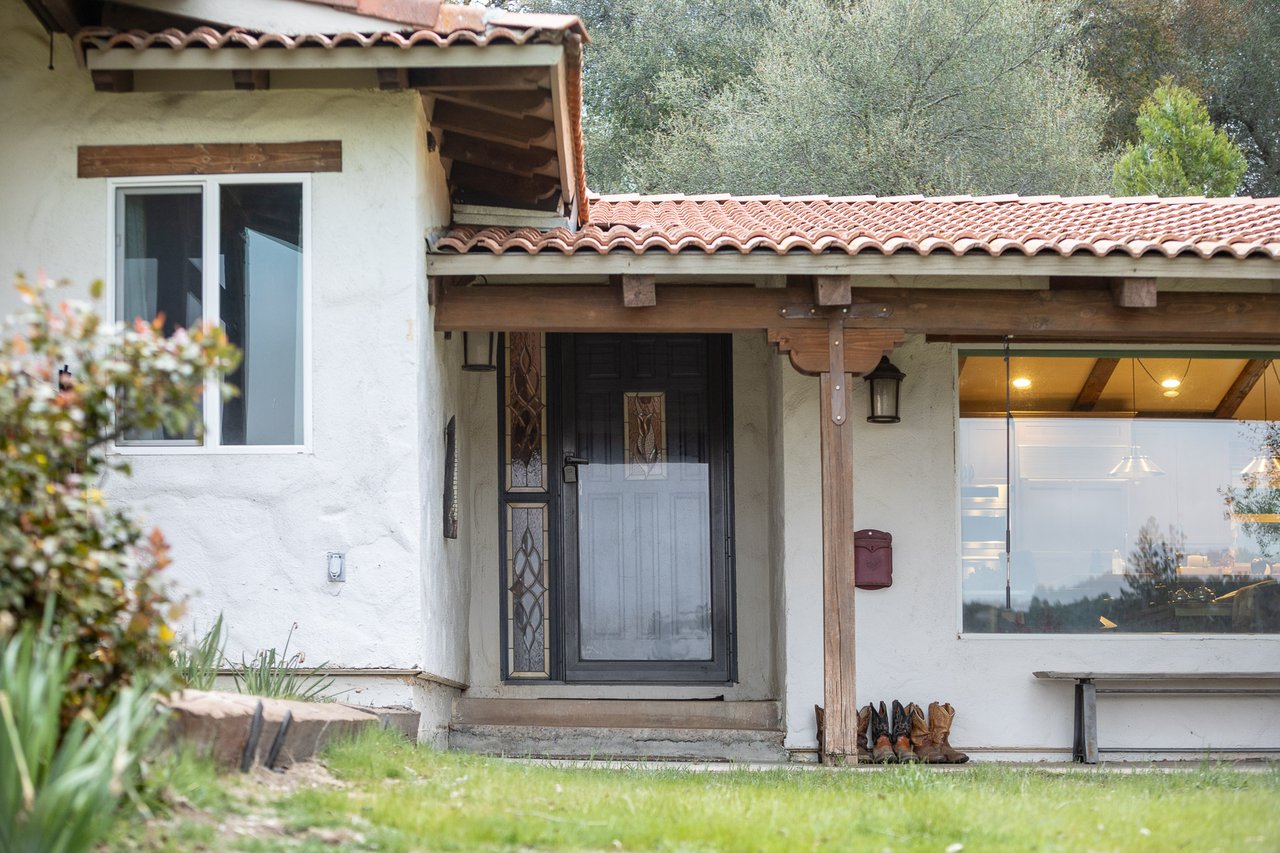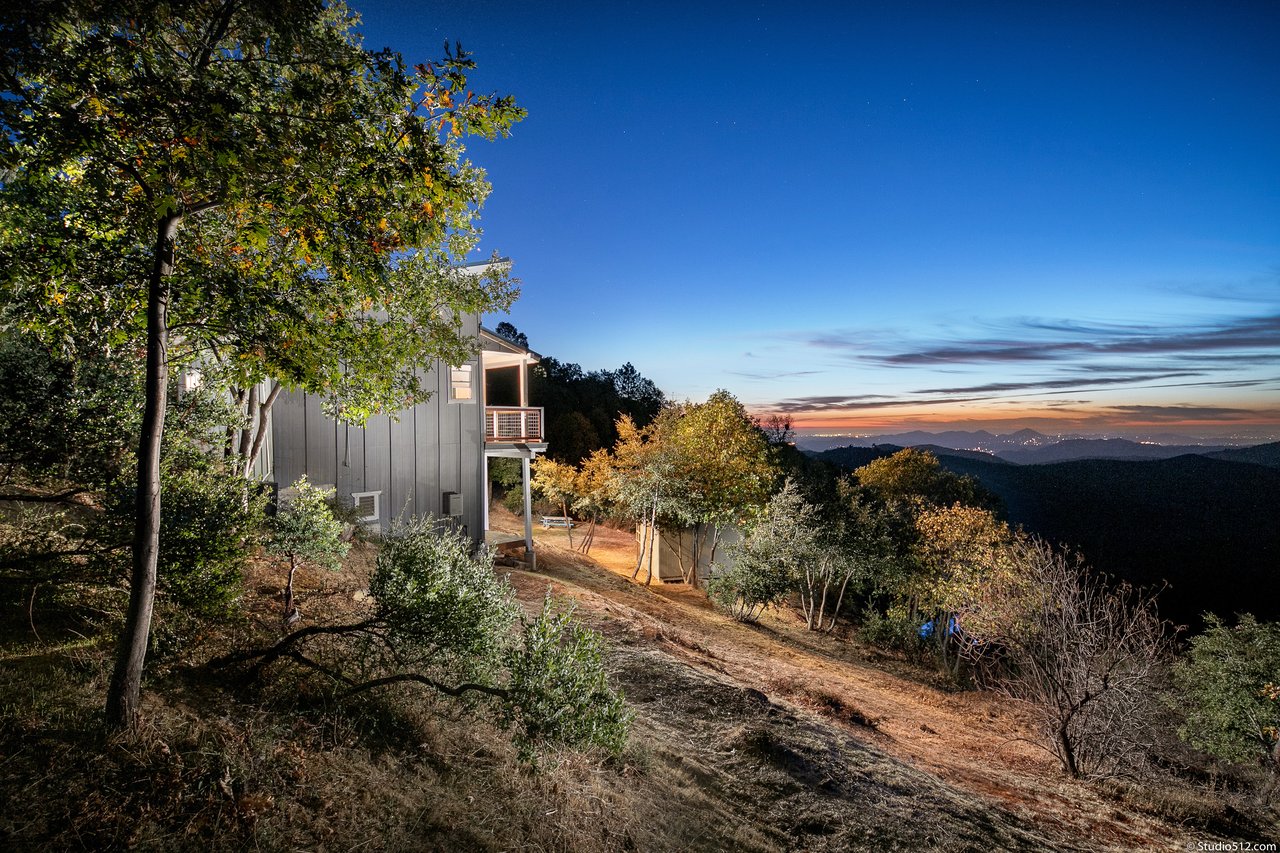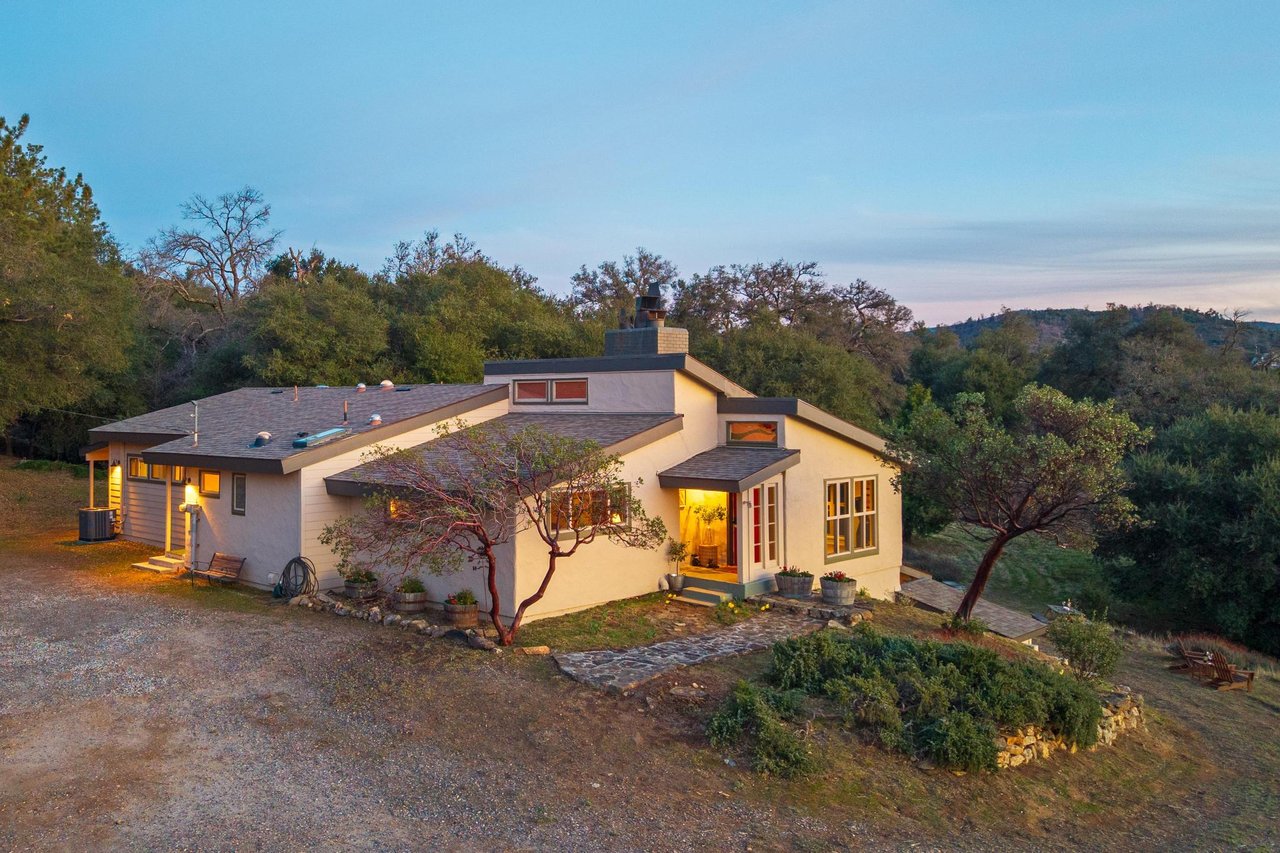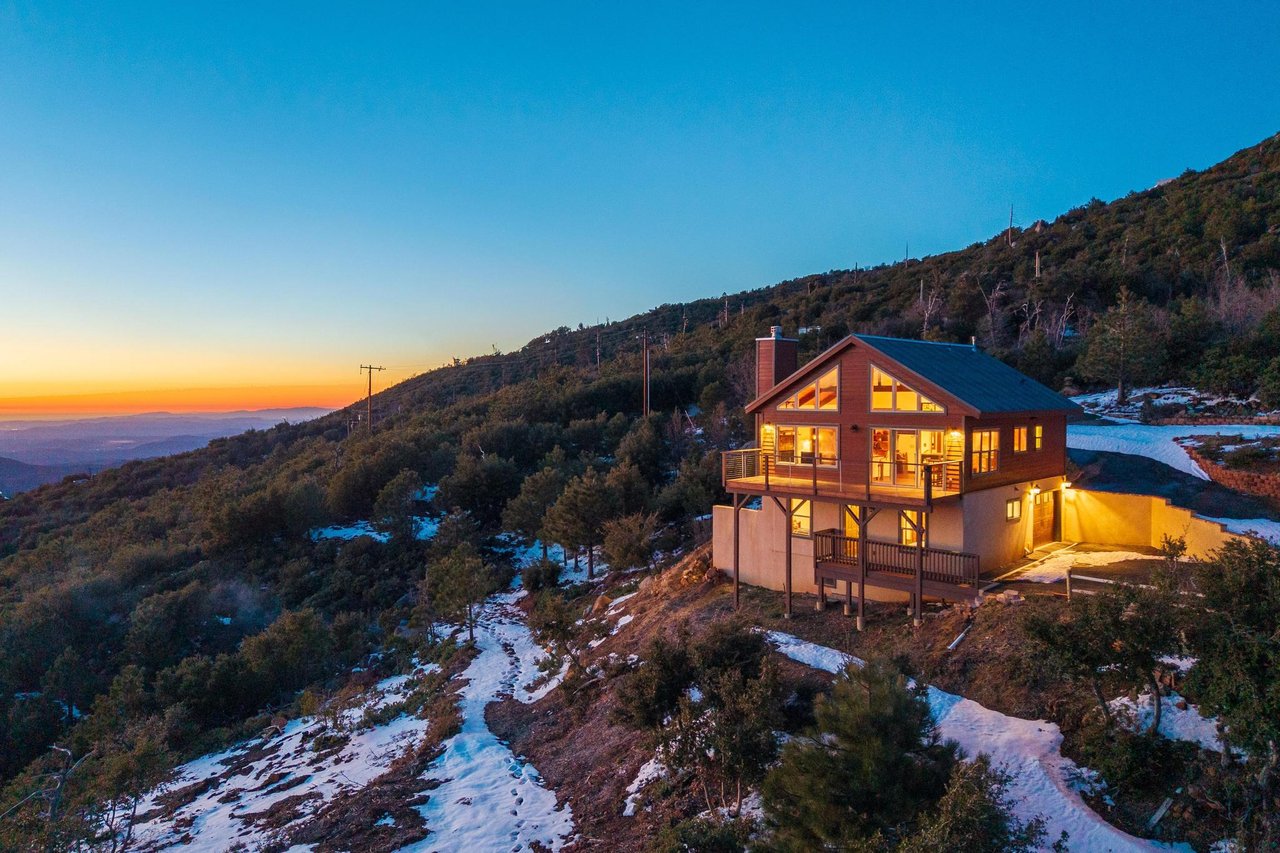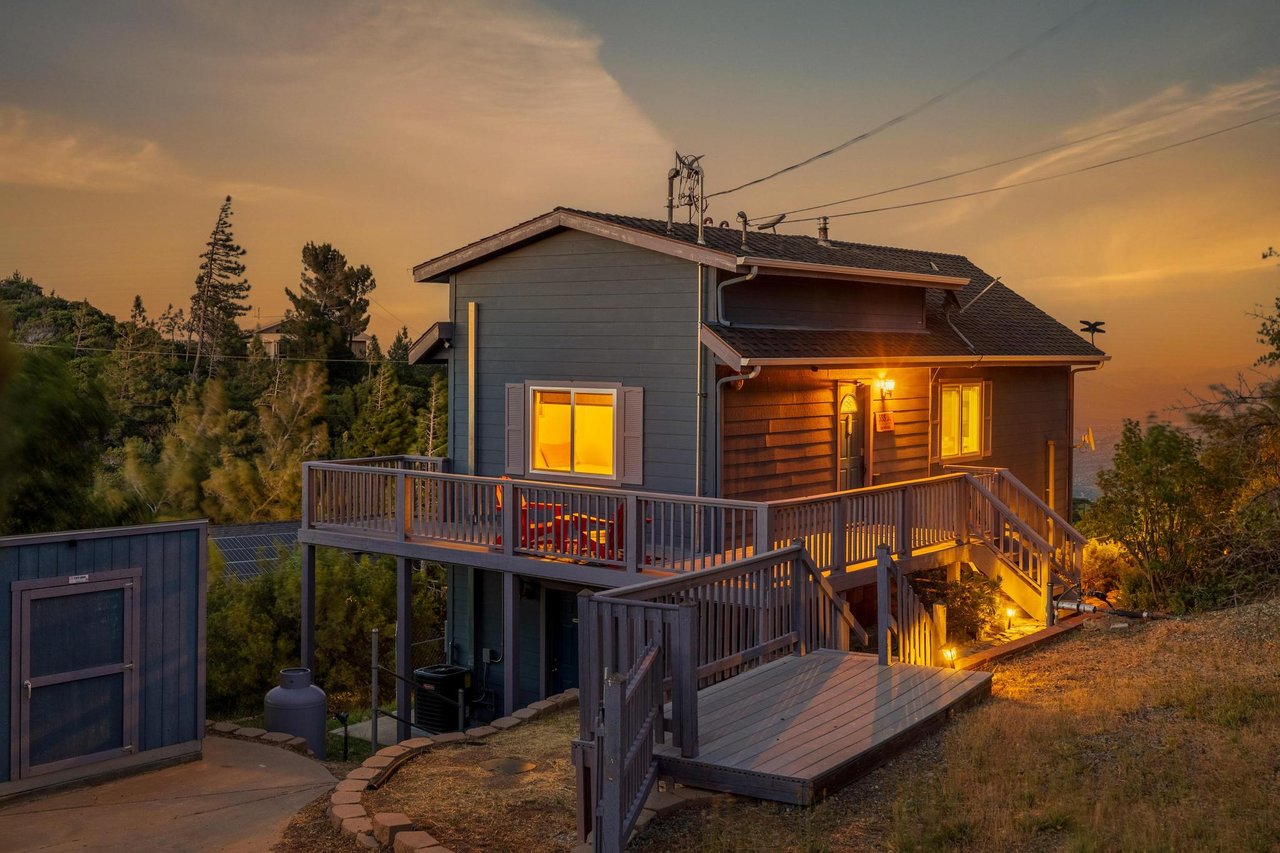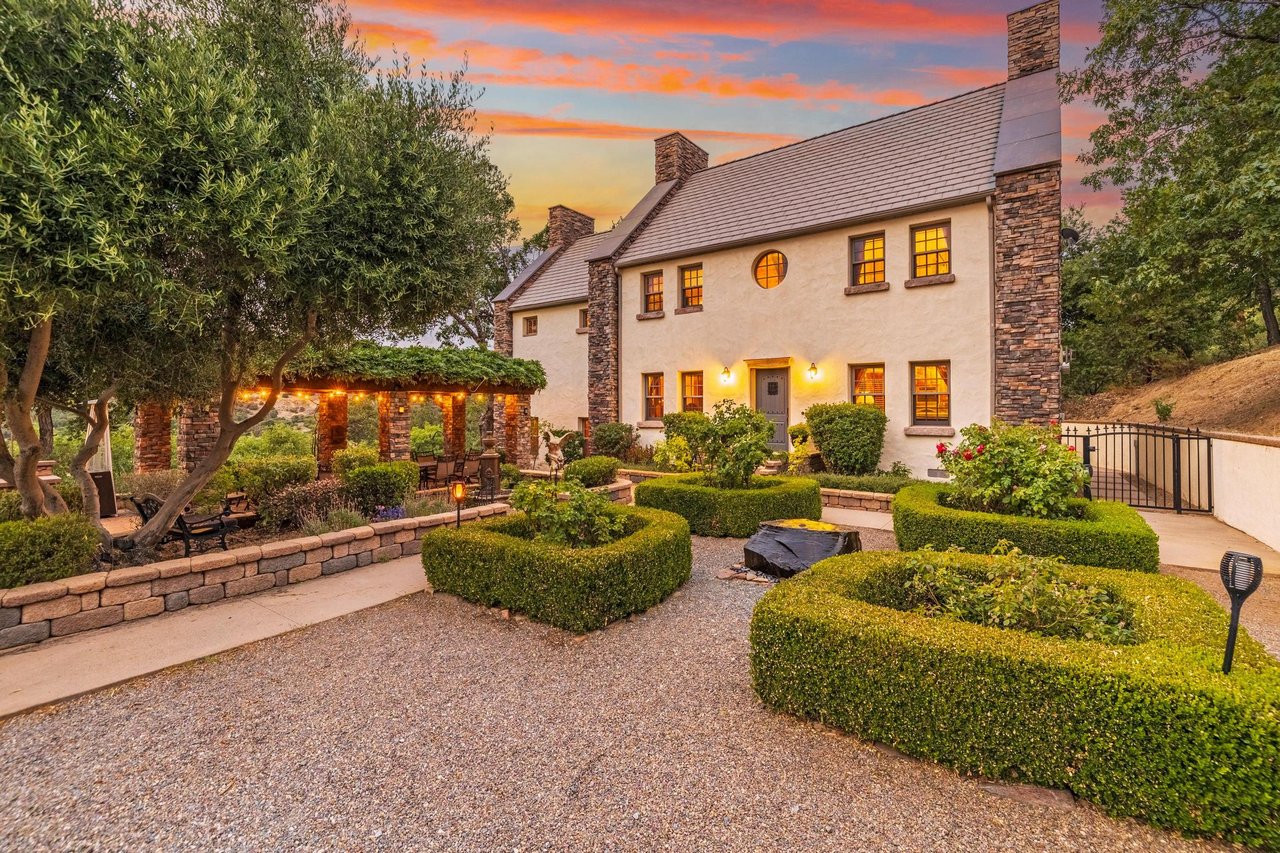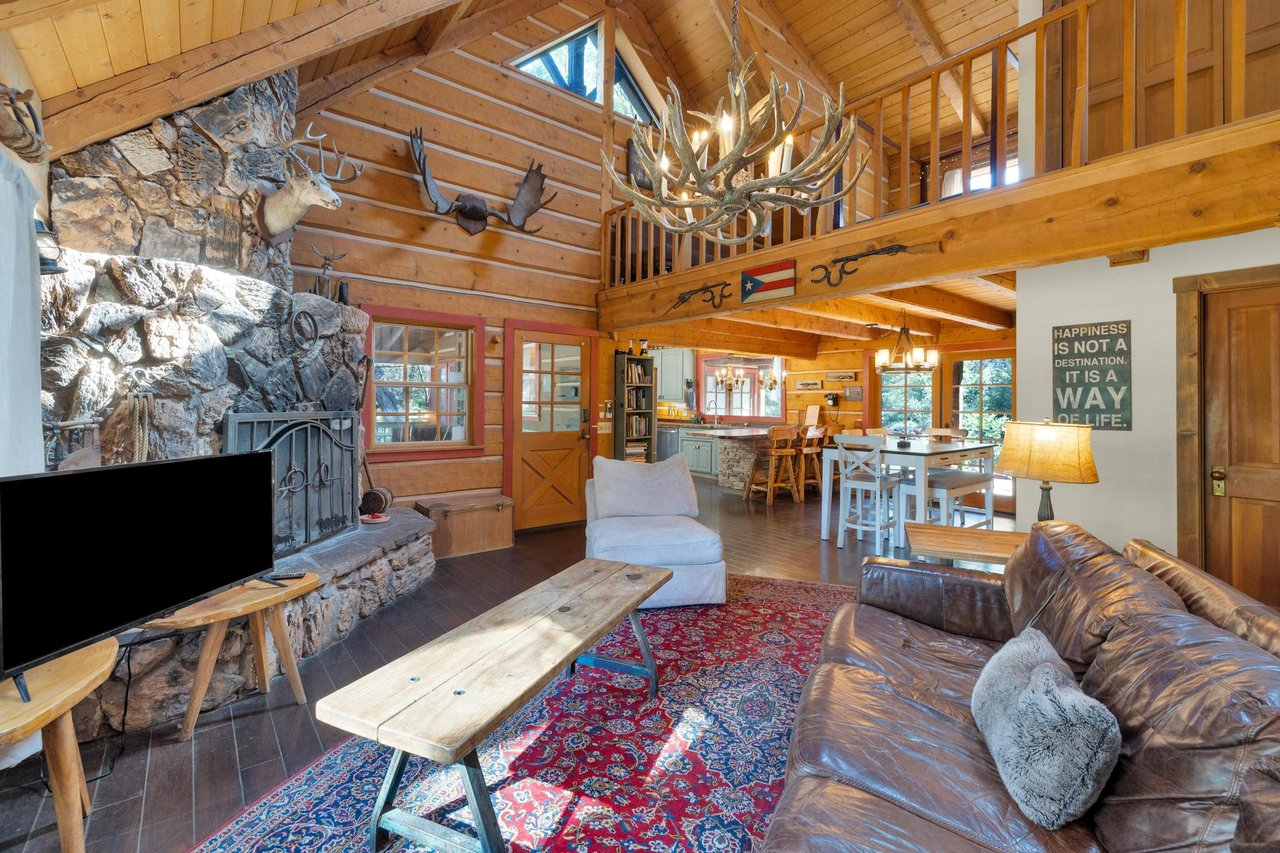
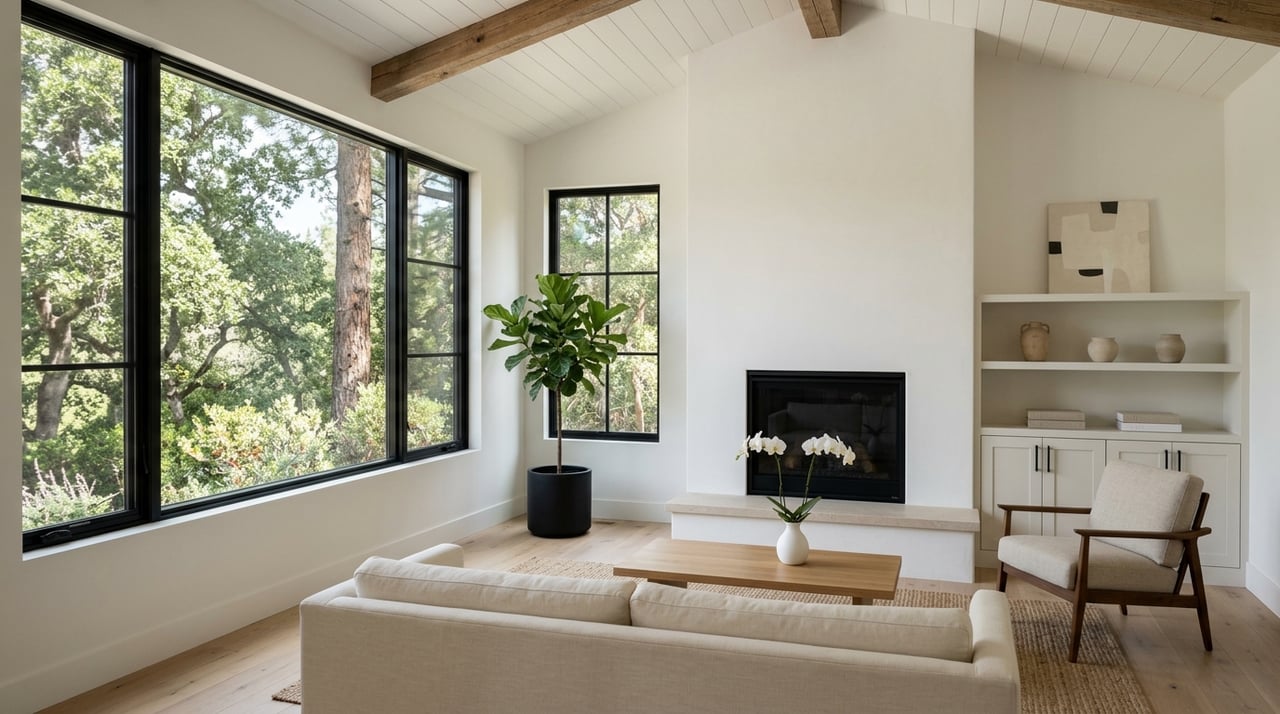
Wondering how to price a home that does not look like anything else in Example Neighborhood? That is a common challenge in rural and backcountry markets, where acreage, views, access, utilities, and condition can matter just as much as bedroom count. If you are thinking about selling, this guide will help you understand what really drives value, why unique homes need a careful pricing strategy, and how to set a price that attracts serious buyers. Let’s dive in.
Why unique homes are harder to price
In a typical neighborhood, pricing often starts with recent nearby sales that look a lot like your home. In a place like Example Neighborhood, that is not always possible. One property may have usable acreage and wide mountain views, while another may have steep terrain, limited access, or older systems.
That is why pricing a unique home is less about finding a perfect match and more about finding the best competing sales and adjusting for the differences. According to the research provided, appraisers start in the property’s market area and use sales that compete for the same buyers. If direct comparables are limited, they may use older or more distant sales as long as they can explain why those sales are the best indicators of value.
What affects value in Example Neighborhood
In Julian and nearby backcountry areas, buyers often look beyond square footage alone. They want to understand how a property functions day to day and what it offers that another home does not. That makes pricing more layered than it might be in a more uniform market.
Usable land matters
Acreage can add value, but not all acreage is equal. A parcel with practical access and usable outdoor space may appeal differently than one with steep slopes or limited functionality. Buyers tend to weigh what they can actually do with the land, not just the number of acres on paper.
Views and privacy can influence price
The Julian Community Plan notes that topography and road alignment create view sites throughout the area. That means view corridors, privacy, and site placement can carry real weight in how buyers see a property. Still, those features need to be supported by market evidence, not just personal preference.
Water, septic, and utility setup count
In this market, utility details can have a meaningful impact on pricing. The county plan says much of the community uses septic systems, several areas rely on wells, and domestic water supplies are groundwater-dependent and limited. Buyers may place extra value on properties with clear utility information, dependable systems, and documented maintenance history.
Fire exposure affects buyer confidence
Julian is in one of the highest fire danger areas in San Diego County, according to the county plan. CAL FIRE guidance explains that hazard levels are based on factors like vegetation, topography, climate, embers, and fire history. Features like defensible space, water storage, and home hardening do not remove wildfire risk, but they can support buyer confidence and become part of the overall value story.
Condition still plays a major role
Even in a market where land and setting matter, condition remains important. A home that needs roofing, flooring, paint, or broader updates may sell at a lower price than a similar property with strong presentation and fewer deferred issues. Buyers notice both charm and cost.
Why nearby sales may not tell the whole story
If your home has unusual features, the closest sale may not be the most useful one. A nearby property with a similar bedroom count might still attract a different buyer if it lacks acreage, has different utility infrastructure, or does not offer the same privacy and views.
The research report notes that appraisers can broaden the search when the local sales pool is thin. In rural markets, that is normal. The goal is not to force a comparison that does not fit, but to build a defensible range based on the best available competing properties.
What current market signals suggest
The market context in Julian points to a thin but active environment. The research report cites a Zillow home value index of $579,394 as of April 30, 2026, with 47 homes for sale and a median list price of $742,600. It also cites Redfin reporting a March 2026 median sale price of $480,000, homes going pending in about 91 days, and average homes selling around 3% below list price.
These figures should be read as directional, not as direct comparables. They do show that pricing too aggressively can create friction, especially when buyers are taking time and sales are often closing below asking price. For a unique property, pricing needs to reflect both its special features and the realities of today’s market.
Local sales show how wide the range can be
One reason pricing in Example Neighborhood can be tricky is that recent sales may vary widely. The research report includes examples of local properties that sold at very different price points based on their mix of features.
A duplex on 2.06 acres sold for $515,000, with mountain views, apple trees, a barn, and proximity to Main Street highlighted in the listing. An off-grid home on 5.1 acres sold for $590,000 and included solar, a well, a private observatory, and a strong privacy story. A 2-bedroom, 2-bath home on 11.68 acres sold for $890,000 with meadow views and a cedar-log presentation, while another 3-bedroom home on 1.32 acres sold for $515,000 with noted roof, flooring, and paint needs.
These examples show that value can shift significantly based on condition, setting, utility independence, land usability, and presentation. That is exactly why a unique home should be priced through careful analysis, not guesswork.
How to price a unique home more strategically
A strong pricing strategy usually starts with range, not a single hopeful number. You want to understand where your property fits among the best available competing sales after accounting for the differences that matter.
Start with adjusted comparables
Rather than choosing the highest sale and working backward, begin with a realistic adjusted range. The research report notes that appraisers are expected to support adjustments with market evidence and keep the final value within the range suggested by the adjusted comparable sales. That approach can help you avoid overpricing from the start.
Document the features buyers will ask about
For a one-of-a-kind property, details matter. Useful information may include:
- Usable acreage
- View orientation
- Square footage
- Condition and remodel history
- Roof age
- Solar or generator setup
- Well output information
- Septic history
- Permitted improvements
- Guest unit or multi-use spaces
The clearer the property story, the easier it is to support value.
Be realistic about what adds value
Not every special feature creates the same return. Views, privacy, and acreage often help, but only when buyers in that segment of the market are willing to pay more for them. A scenic setting may not command a strong premium if access is difficult or the home needs major work.
Think about appraisal risk early
If a property is priced well above the best supported range, you may still attract interest, but the deal can become harder to hold together later. The research report notes that when an appraisal comes in low, buyers may renegotiate, and depending on the contract, the transaction may not move forward. Pricing with appraisal support in mind can reduce that risk.
Why local knowledge makes a difference
In backcountry markets, pricing is not just about spreadsheets. It is also about understanding how buyers react to roads, slopes, water sources, privacy, fire considerations, and property upkeep. Those details shape both perceived value and actual marketability.
That is where local experience can help. A team that regularly works with mountain homes, acreage, as-is properties, and land can better position the home’s strengths, identify potential objections early, and create a pricing strategy that reflects how this market really works.
What sellers should do before choosing a price
Before your home goes live, it helps to prepare the information that supports its value. That can make pricing more confident and marketing more persuasive.
Here are a few smart steps:
- Gather records for improvements and repairs
- Organize well, septic, solar, or generator details if applicable
- Note any features tied to access, storage, or land usability
- Identify condition issues that may affect buyer perception
- Review recent competing sales with a local lens, not just a map radius
A thoughtful prep process can lead to a stronger launch and better expectations from the beginning.
If you are trying to price a distinctive property in Example Neighborhood, a careful local strategy matters. The goal is not just to choose a number that sounds good. It is to position your home so buyers understand its value, appraisals have support, and your sale has the best chance to move smoothly. If you want experienced guidance on how your home fits today’s market, Julian Realty - Tiffany Bagalini is here to help.
FAQs
How do appraisers price a unique home in Example Neighborhood?
- Appraisers look for the best available competing sales, starting in the local market area and expanding to older or more distant sales when necessary, then adjusting for meaningful differences.
Do acreage and views always increase a home’s value in Example Neighborhood?
- Not always. Acreage and views can add value, but only to the extent that buyers in that market are willing to pay more for those features and the property’s overall usability supports that premium.
Why can two similar-sized homes in Example Neighborhood sell for very different prices?
- Homes with similar size can sell at very different prices because factors like condition, usable land, privacy, views, wells, septic systems, access, and off-grid features can influence value.
What happens if a unique home in Example Neighborhood is priced too high?
- An overly high price can slow buyer activity, create appraisal challenges, and lead to renegotiation if the appraised value does not support the contract price.
What should sellers prepare before pricing a home in Example Neighborhood?
- Sellers should gather records on improvements, condition, roof age, utility systems, septic or well information, solar or generator details, and any permitted additions or special property features.