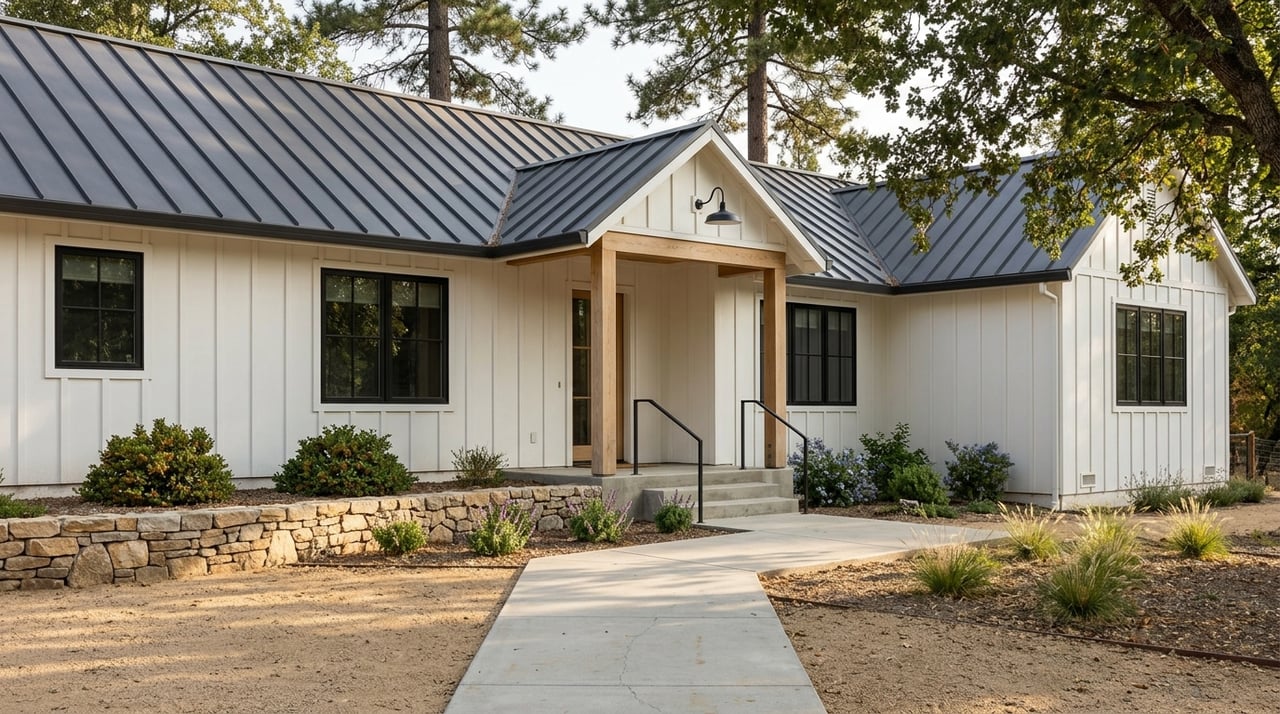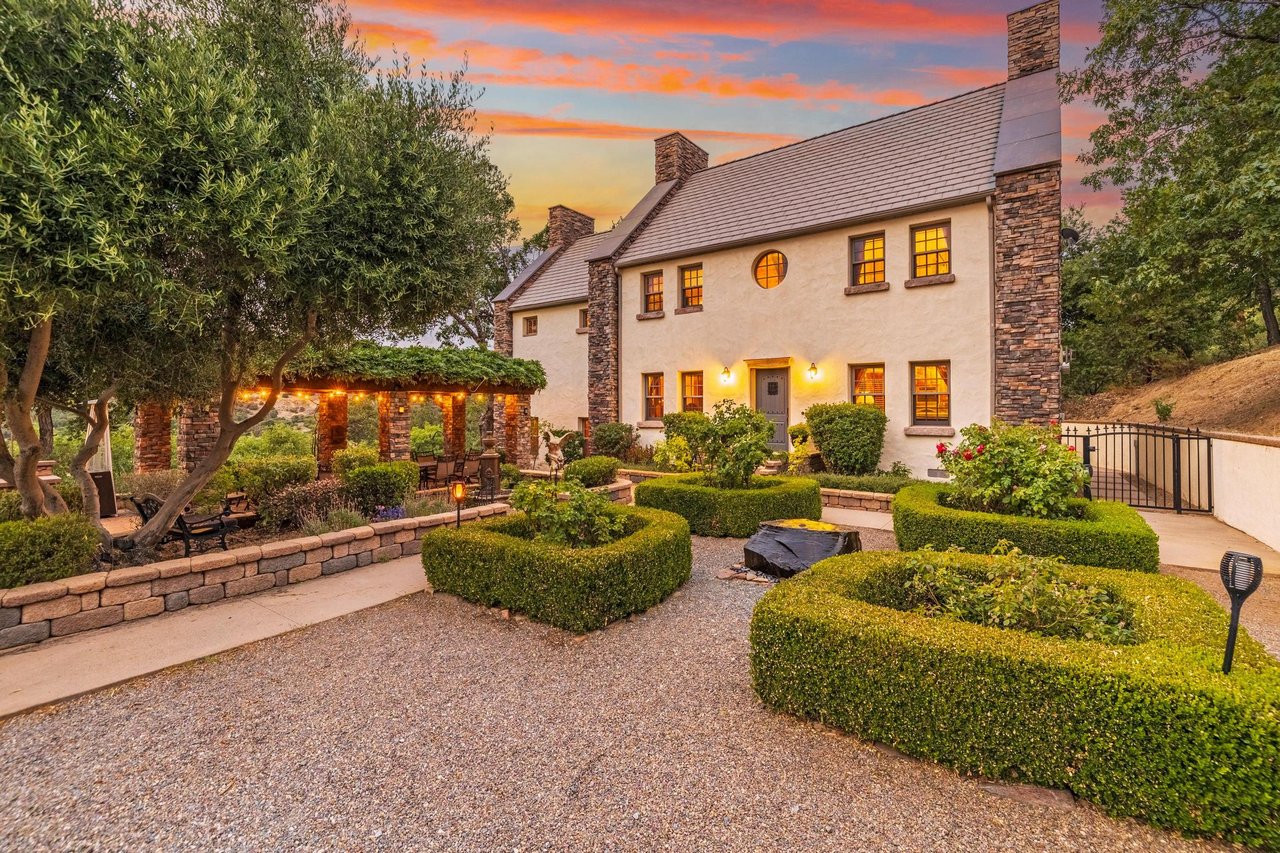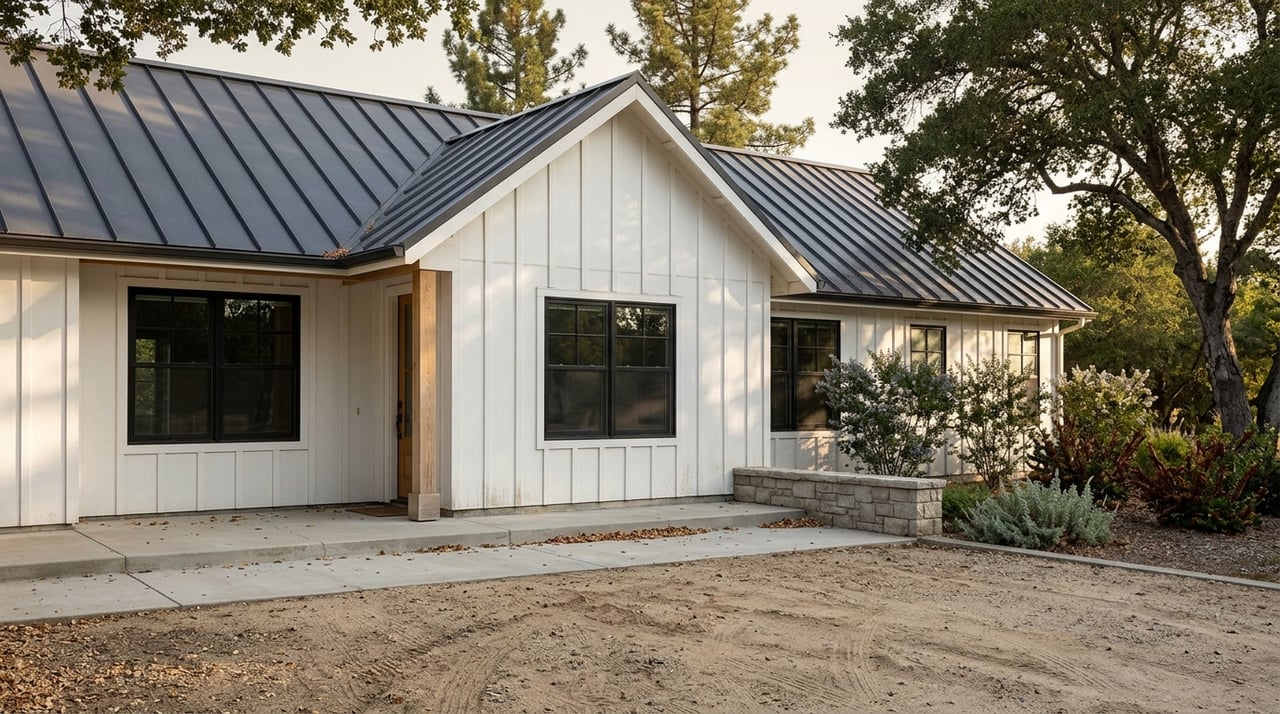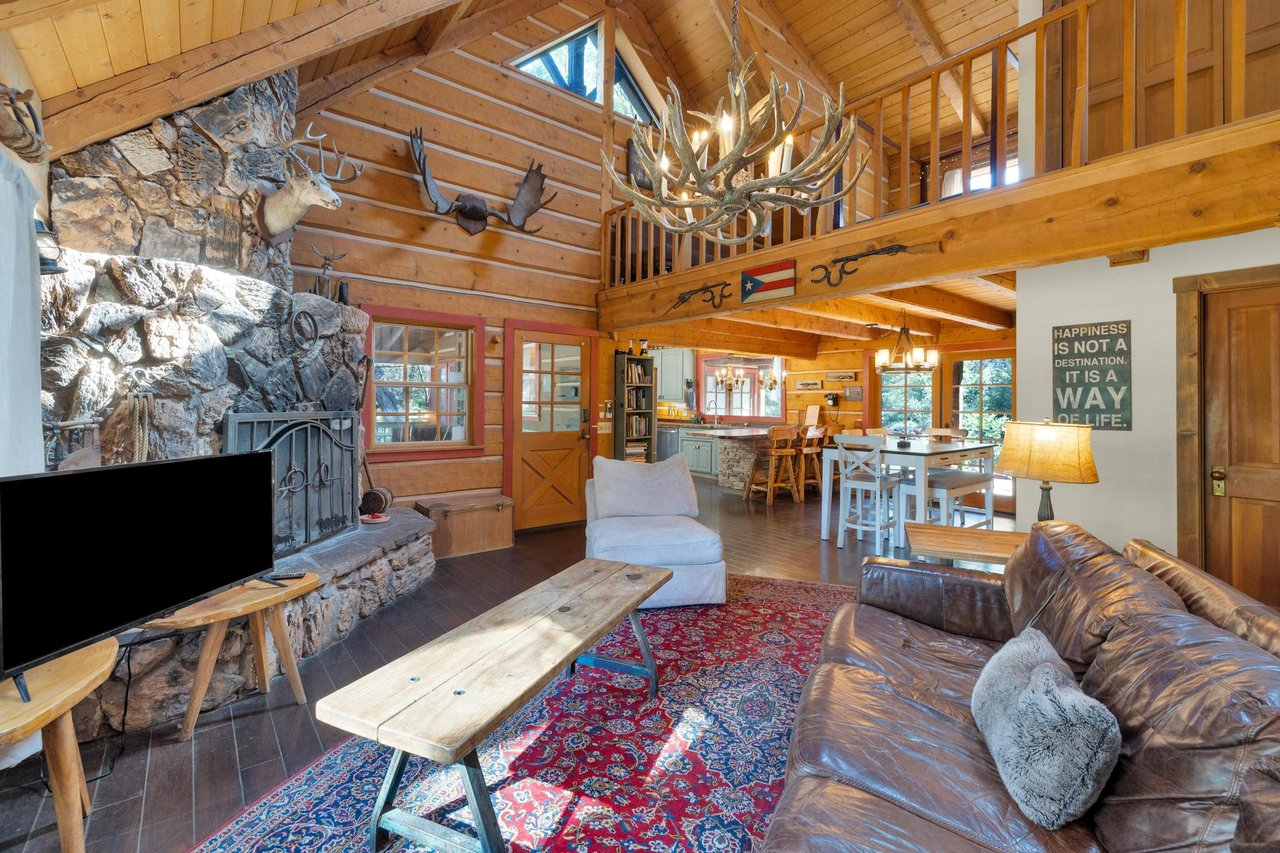
Thinking about buying your first rural home in Example Neighborhood? It can feel exciting and a little overwhelming at the same time. In a backcountry area near Julian, you need to look beyond the home’s finishes and focus on the systems, access, and rules that shape daily life. This guide will walk you through the big things to check so you can move forward with more confidence. Let’s dive in.
Why rural buying is different
Example Neighborhood is part of the Julian community plan area, between Volcan Mountain and the Cuyamaca Mountains, with State Highway 78 serving as the main route through the area. Because Julian is an unincorporated community, county rules, permits, and services matter more here than city systems.
That changes how you should evaluate a property. In many suburban transactions, buyers focus first on layout, upgrades, and location. In a rural purchase, you also need to pay close attention to water, wastewater, road access, wildfire exposure, and permit history.
Start with water and septic
For many rural properties in San Diego County, a private well is the main source of potable water. The county says well installation and modification require permits and must meet county standards, which is one reason water due diligence should come early.
If a home has a well, do not assume the water is fine just because the faucets run. California water guidance says private well owners should know their system details, inspect the system annually, and test water on a regular schedule. EPA guidance also says private well owners are responsible for the safety of their drinking water and recommends annual testing.
Septic matters just as much. In San Diego County, septic installation and modification fall under county jurisdiction, and records are kept by APN. The county also notes that residential septic sizing depends on percolation-test data and bedroom count.
For a first-time buyer, that means you should ask for more than a standard property disclosure. You should also look for recent water-test results, well information, septic service records, and any history of pumping, repair, or replacement.
What to verify with rural water systems
When you are evaluating a property with a well, try to confirm:
- The well’s basic details and permit history
- The age and condition of the pump
- The condition of the pressure tank
- Recent water-quality testing
- Any maintenance or repair history
These steps matter because well ownership comes with ongoing responsibility. A home can be beautiful and still need water-system work that affects your budget after closing.
What to verify with septic systems
With a septic property, it helps to confirm:
- The age and type of system
- The tank’s condition
- Pumping and service history
- Any known repairs
- Whether the system capacity aligns with the home’s bedroom count
A septic issue is not always obvious during a quick showing. That is why many rural buyers bring in a septic professional early enough to understand condition and likely future costs.
Ask who maintains the road
Access is one of the most important parts of a rural purchase. In unincorporated San Diego County, some roads are county-maintained, while many others are private and maintained by property owners.
That means your road questions should go beyond whether the road is paved. You should find out who maintains it, how maintenance is funded, and whether there is a recorded shared arrangement or a private road division zone tied to the property.
San Diego County also notes that mountain roads may be plowed during and after winter storms, and that road crews manage closures, drainage, guardrails, and roadside vegetation in unincorporated areas. In a place like Example Neighborhood, seasonal weather can affect your daily routine, travel time, deliveries, and emergency access.
Road and access questions to ask
Before you buy, ask questions like:
- Is the road county-maintained or privately maintained?
- If private, is there a recorded maintenance agreement or district?
- Does the driveway have adequate slope, width, and turnaround space?
- Can emergency vehicles reach the home easily?
- How does weather affect access during winter storms?
These answers can shape both convenience and long-term ownership costs. They can also affect future permit reviews, since county processing may include driveway review and fire-district approval.
Treat wildfire as a buying factor
In the Julian area, wildfire exposure is not a side issue. CAL FIRE and the Office of the State Fire Marshal classify areas by fire hazard severity, and San Diego County notes that many areas fall within high fire zones.
The county also requires defensible space and fuel modification around structures. In wildfire-prone areas, new building projects may also need wildfire-resistant construction features under WUI code requirements.
For you as a buyer, this means a property should be viewed through a wildfire lens from the start. A home’s trees, slope, roofing, vents, vegetation clearance, and surrounding layout can all play a role in risk and future work.
What wildfire due diligence should include
A practical review often includes:
- The property’s fire hazard zone classification
- Current defensible-space conditions
- Signs of home-hardening features
- Vegetation management needs
- Potential retrofit costs for wildfire resistance
CAL FIRE describes home hardening as using materials, construction features, and maintenance practices that help resist ignition from embers, radiant heat, and flames. That makes home condition more than a cosmetic issue in a rural market.
Shop for insurance early
Insurance is one of the biggest first-time rural buyer surprises. A home that fits your price range may still be difficult or expensive to insure, especially if wildfire exposure is high.
The California Department of Insurance says the FAIR Plan is available when consumers cannot obtain standard coverage, including in rural areas. The department also notes that homeowners policies typically exclude flood, mudslide, debris flow, and landslide unless those losses are tied to a covered peril such as wildfire.
This is why insurance shopping should start before you get too far into the process. If you wait until the last minute, you may find that the monthly cost changes your budget more than expected.
Why insurance belongs in your early checklist
Early insurance research can help you:
- Estimate true monthly ownership costs
- Understand whether standard coverage is available
- Compare the cost of mitigation work with potential savings
- Avoid moving forward on a home that does not fit your full budget
The state also notes that Safer from Wildfires mitigation measures can qualify for insurance discounts. In other words, insurance and wildfire planning often go hand in hand.
Check permits and future plans
A rural purchase is not only about the home as it stands today. It is also about what has been permitted in the past and what may be allowed in the future.
In unincorporated San Diego County, the Building Division reviews permits under California Building Standards, county-amended standards, zoning rules, grading rules, and the County Consolidated Fire Code. Conditions of approval may also involve septic review, driveway review, flood-control review, or fire-district approval.
That matters if you are considering future changes. If you hope to add an ADU, barn, workshop, or other structure later, you should confirm zoning and permit requirements before you buy.
Future-use questions worth asking
If you are buying with long-term plans in mind, ask:
- Were past additions or improvements properly permitted?
- What zoning applies to the property?
- Could the parcel support an ADU under county rules?
- Would future building trigger septic, driveway, grading, or fire review?
- Are there site constraints that could limit expansion?
San Diego County states that ADUs in unincorporated areas must meet county regulations and require a building permit. That makes early verification important if future flexibility is part of your goal.
Build the right rural specialist team
One of the best ways to reduce stress is to treat inspections and records as part of the price of entry, not as an afterthought. Rural ownership is manageable, but it usually works best when you bring in the right specialists early.
Depending on the property, that may include:
- A well contractor or water-quality sampler
- A septic professional
- A contractor familiar with wildfire-resistant construction
- Someone who can help interpret recorded access or road-maintenance documents
This kind of support can help you understand what you are buying in practical terms. It can also help you avoid comparing a rural property to a standard suburban home when the ownership experience is very different.
A smart first purchase starts with the right questions
Buying in Example Neighborhood can be a great move if you love space, scenery, and the character of the Julian backcountry. The key is knowing that a rural home should be evaluated as a full property system, not just a house with land.
When you pay attention to water, septic, road access, wildfire exposure, insurance, and permit history, you put yourself in a much stronger position. And when you work with a local team that understands how backcountry properties function, the process gets clearer from the start.
If you are thinking about buying in Example Neighborhood and want calm, practical guidance on what to look for, connect with Julian Realty - Tiffany Bagalini.
FAQs
What should first-time buyers check first in Example Neighborhood?
- Start with water, septic, road access, wildfire exposure, insurance options, and permit history, because those factors often shape both cost and usability in a rural purchase.
How important is well testing for a rural home in Example Neighborhood?
- Well testing is very important because private well owners are responsible for water safety, and regular testing is recommended rather than assumed.
Why does road maintenance matter when buying in Example Neighborhood?
- Road maintenance matters because some roads in unincorporated San Diego County are private, which can affect maintenance responsibility, cost sharing, and year-round access.
How does wildfire risk affect buying a home in Example Neighborhood?
- Wildfire risk can affect property condition, required vegetation management, home-hardening needs, and the cost or availability of insurance.
Can a property in Example Neighborhood support an ADU or future addition?
- Possibly, but you should verify zoning, permit requirements, and site-specific constraints with San Diego County before assuming future improvements will be allowed.