
Wondering how long it really takes to buy a home in Example Neighborhood? The truth is, there is no one-size-fits-all calendar, especially when a purchase involves financing and backcountry property details. If you want a clearer picture of what happens before closing, what can slow things down, and how to stay on track, this guide will walk you through it. Let’s dive in.
Typical home buying timeline
In Example Neighborhood, your timeline usually starts taking shape once you are actively preparing to buy, not just browsing online. While every transaction is different, most financed purchases move through a similar sequence: preapproval, offer, due diligence, lender review, closing preparation, and final signing.
The pace often depends on lender underwriting, inspections, insurance, and required disclosures. After your offer is accepted and you move forward with a lender, the closing phase begins, and that process can move quickly or stretch out over several weeks depending on the details of the transaction.
Step 1: Get preapproval close to your search
A preapproval can help show sellers that you are serious, but it is not a guaranteed loan offer. It is also usually time-sensitive, with many preapproval letters expiring in about 30 to 60 days.
That is why it often makes sense to time preapproval close to when you plan to shop seriously. If you get it too early, you may need to refresh it before you are ready to make an offer.
Step 2: Make an offer and start due diligence
Once a seller accepts your offer, the real timeline begins. This is when you will usually provide more documents to your lender, schedule inspections, and start shopping for homeowner’s insurance and title insurance.
These tasks often overlap. While you are coordinating inspections, your lender is also reviewing your file and moving it through underwriting.
Step 3: Complete inspection and appraisal
Your home inspection and the lender’s appraisal are not the same thing. The inspection helps you better understand the property’s condition, while the appraisal helps the lender confirm value.
If the inspection reveals issues, your timeline can change. Depending on your contract terms, you may negotiate repairs, request credits, or decide not to move forward if the findings are not acceptable to you.
Step 4: Review disclosures and prepare to close
As closing gets closer, paperwork becomes more important, not less. For most mortgage transactions, the lender must deliver the Loan Estimate within three business days after receiving a complete application, and the Closing Disclosure must arrive at least three business days before closing.
You should also review seller disclosures carefully. In California, the Real Estate Transfer Disclosure Statement and Natural Hazard Disclosure Statement are important parts of the timeline, and their delivery can affect your review period and, in some cases, your cancellation rights.
Step 5: Final walk-through and closing
Before signing, you will usually complete a final walk-through. This is your chance to confirm that agreed repairs were completed and that the property is in the condition expected under the contract.
After documents are signed and the loan funds, the transaction moves to recording. In California, the title company and escrow officer play a central role in closing and recording, and once that process is complete, you move into the final post-closing steps and move-in planning.
What can affect timing in Example Neighborhood
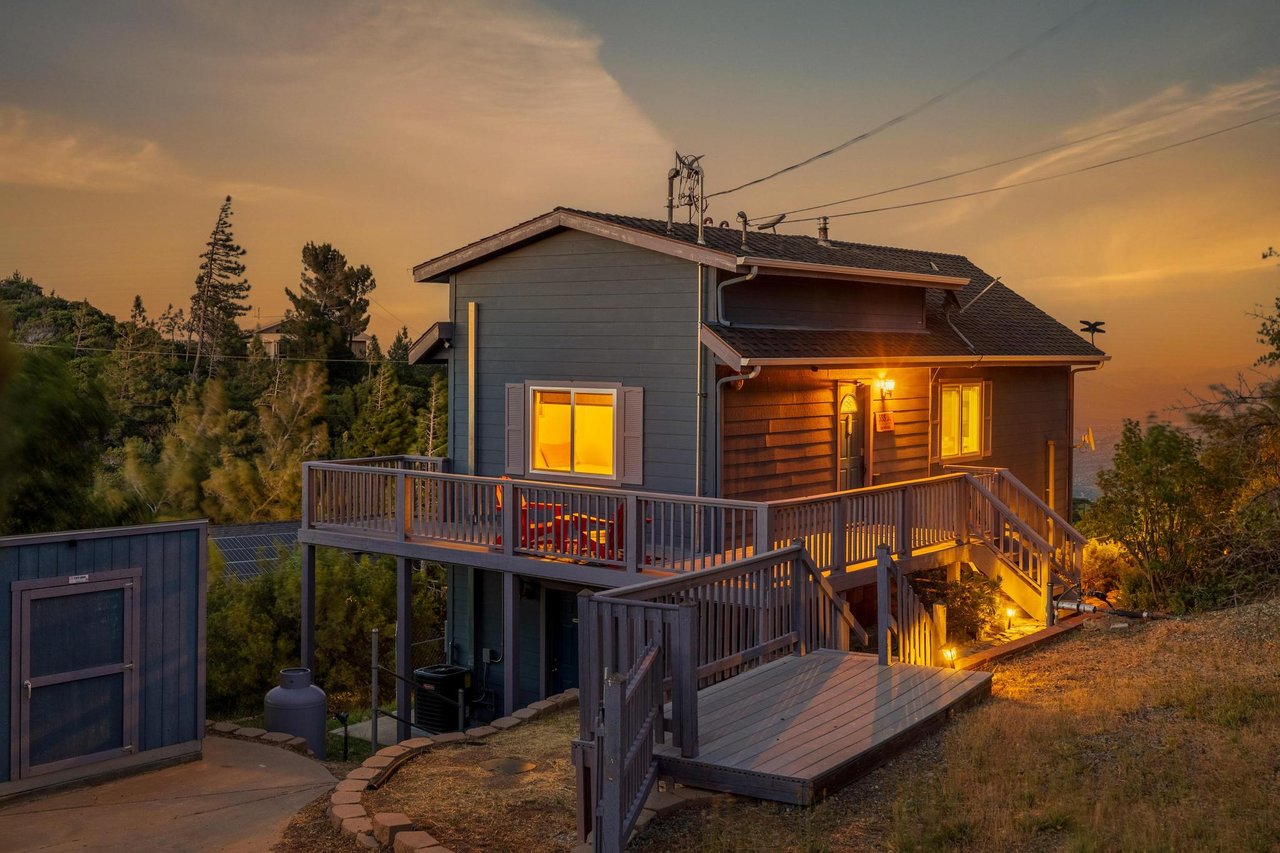
Example Neighborhood buyers may need to look beyond the standard suburban checklist. In San Diego backcountry areas, road access, water, septic, and wildfire-related insurance questions can all affect the path to closing.
This does not mean your purchase has to be complicated. It does mean you will want to identify property-specific issues early so they do not surprise you later.
Road access can add extra review
In unincorporated parts of San Diego County, some roads are private rather than county-maintained. Buyers should confirm whether a property’s access road is county-maintained, private, or tied to a Permanent Road Division zone.
That matters for practical reasons like maintenance responsibility, access, and emergency considerations. If road access questions come up late, they can delay your decision-making and closing timeline.
Wells and septic need early attention
If a home relies on a private well or septic system, those details deserve early review. San Diego County oversees septic system installation and modification, and the county maintains septic and graywater records in its Environmental Health Document Library.
For private wells, county guidance says applicants must show potable water before occupancy or change of use, and at minimum, related testing must include bacteria and nitrates for applicable building or septic permits. Even when a current sale does not require a new permit, these systems can still be part of your inspection and due diligence planning.
Wildfire zones can affect disclosures and insurance
Wildfire review is another important part of the timeline in backcountry markets. CAL FIRE maps classify areas as moderate, high, or very high fire hazard severity zones based on factors like fuels, terrain, weather, and fire history.
If a property is in a very high fire hazard severity zone, California law requires disclosure, and that hazard review is also part of the Natural Hazard Disclosure framework. Insurance shopping can take longer in wildfire-prone areas, so it helps to start that process early.
New construction and lot purchases may take longer
If you are buying a lot or property in a new subdivision, there may be an added layer of review. In California, the Department of Real Estate public report process can cover topics such as roads, utilities, water, zoning, use restrictions, hazards, title, and financial arrangements for subdivision completion.
For land and custom-build buyers, that means your timeline may include more upfront document review than a standard resale home purchase. It is one more reason to ask good questions early.
California timing checkpoints to know
A few deadlines carry extra weight because they can directly affect your closing date. Knowing where these timing checkpoints happen can help you plan with more confidence.
Here are some of the most important ones:
- Preapproval timing: Many preapproval letters last about 30 to 60 days.
- Loan Estimate: Must be delivered within three business days after a lender receives a complete application.
- Closing Disclosure: Must be delivered at least three business days before closing.
- Disclosure changes: If major loan terms change, the three-day waiting period may restart.
- Seller disclosures: Key California disclosure documents should be delivered as soon as practicable before title transfer.
If natural hazard disclosures are delivered after an offer is signed, California law provides a short cancellation window. That is why disclosure timing is not just paperwork. It can affect your decision window and your closing schedule.
How to stay on schedule
A smoother timeline usually comes down to preparation. When you stay organized and tackle the biggest property questions early, you reduce the odds of last-minute delays.
In Example Neighborhood, that often means treating rural-property details as a first-step issue, not an afterthought.
Keep your lender file organized
Your lender may ask for more documents even after you think everything has been submitted. Missing paperwork can slow underwriting, so keep income, asset, and identification documents easy to access.
It also helps to avoid major financial changes before closing. Taking on new debt, opening new credit, or making large credit-card purchases can create extra complications during lender review.
Budget for more than the down payment
Closing costs are another timeline issue because cash-to-close delays can slow a transaction. The Consumer Financial Protection Bureau says closing costs typically run about 2% to 5% of the purchase price, though actual costs vary by loan type, lender charges, property type, and location.
Having those funds planned early can make the final stretch much less stressful. It also gives you room to respond if actual numbers come in a little differently than expected.
Tackle backcountry issues in the right order
For backcountry properties, the order of your due diligence matters. A smart sequence can help you avoid discovering a major issue after time and money have already been spent elsewhere.
A practical order often looks like this:
- Verify road access.
- Order the general inspection and any well or septic review.
- Shop for insurance.
- Complete appraisal and final closing documents.
That sequence can help reduce the chance that a late access, water, septic, or wildfire-related issue pushes back your closing.
Why local guidance matters
Buying in Example Neighborhood may involve details that do not show up in a more typical city transaction. A property can look straightforward at first, then raise questions about access, infrastructure, hazard disclosures, or insurance timing once due diligence starts.
That is where local experience becomes especially valuable. When you work with a team that understands Julian and San Diego backcountry property patterns, you are better equipped to spot timing issues early and move through the process with fewer surprises.
If you are planning to buy in Example Neighborhood, the goal is not to rush. It is to move forward with a clear timeline, realistic expectations, and a plan for the details that matter most. When you are ready for steady guidance through the process, connect with Julian Realty - Tiffany Bagalini.
FAQs
How long does it take to buy a home in Example Neighborhood?
- The timeline varies, but after an offer is accepted, the process usually depends on underwriting, inspections, insurance, disclosures, and closing requirements.
What can delay a home purchase in Example Neighborhood?
- Common delays can include lender document requests, inspection findings, appraisal issues, insurance shopping, and backcountry-specific questions about road access, wells, septic, or wildfire hazard disclosures.
When should you get preapproved to buy in Example Neighborhood?
- It is often best to get preapproved close to when you plan to shop seriously, since many preapproval letters expire in about 30 to 60 days.
What disclosures matter when buying in Example Neighborhood?
- In California, buyers should pay close attention to the Real Estate Transfer Disclosure Statement and the Natural Hazard Disclosure Statement, especially where wildfire hazard review is involved.
Why can insurance take longer for homes in Example Neighborhood?
- Insurance shopping may take longer in wildfire-prone areas, so starting early can help keep your timeline on track.
What should you review first for a backcountry home in Example Neighborhood?
- A strong first step is confirming road access, then moving into inspections and any well or septic review before finalizing insurance and closing details.