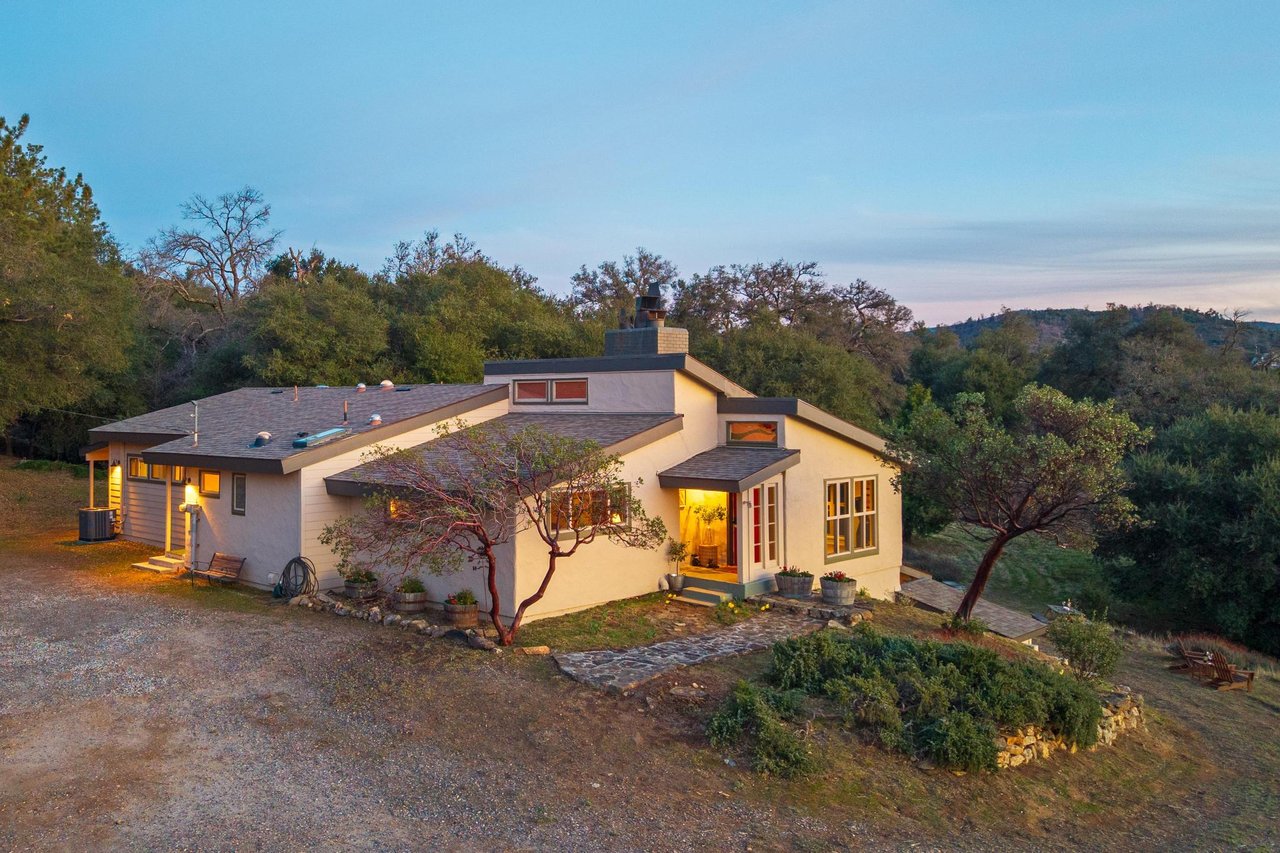
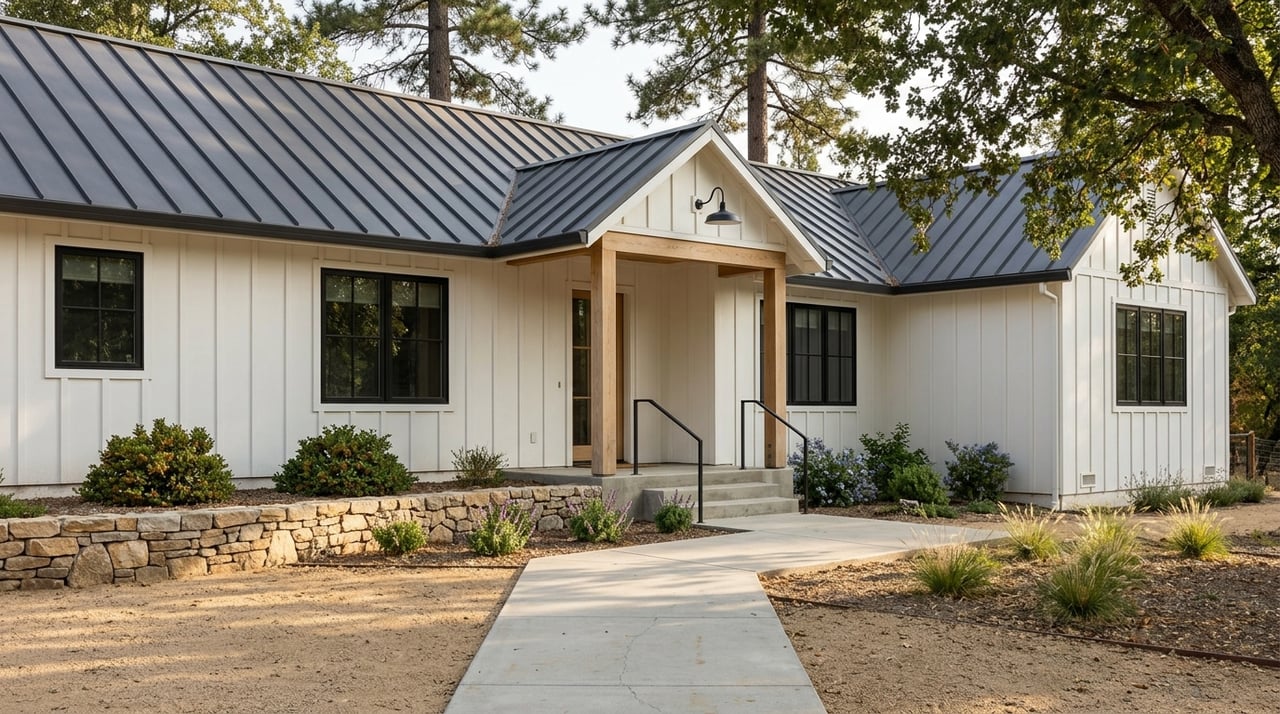
Selling a home in Example Neighborhood can look simple from the outside, but in a place like Julian, the details behind the property often matter just as much as the house itself. If you want to price well, market clearly, and avoid surprises, local knowledge can make a real difference. This guide explains why neighborhood-level expertise matters, what buyers pay attention to here, and how the right strategy can help you move forward with confidence. Let’s dive in.
Why local expertise matters here
In Julian and the surrounding backcountry, real estate is shaped by more than square footage and bedroom count. The county’s community plan highlights the area’s rural, historic, and natural character, and that context affects how properties are viewed and valued.
Example Neighborhood sellers benefit from an agent who understands how setting, access, land use, and utility details can influence buyer interest. In a market like this, broad county averages do not always tell the full story.
Julian is a small, data-sensitive market
According to the SDAR local market update for April 2026, ZIP code 92036 had 17 new listings, 8 pending sales, and 7 closed sales. The median sales price was $695,000, with 54 days on market and 6.4 months of inventory.
That small number of sales matters. When fewer homes close, percentage swings can look dramatic, and pricing based on a wide area or outdated comps can miss the mark.
Realtor.com also described Julian as a buyer’s market in spring 2026, with 110 homes for sale, a median list price of $749,500, and median days on market of 59. While the sources use different methods, both point to the same takeaway: this is a smaller market where local interpretation matters.
Why hyperlocal comps matter
In Example Neighborhood, two homes with similar size may still attract different buyers and different price expectations. Parcel size, road access, rural improvements, and utility setup can all affect value.
That is why a local pricing strategy should go beyond basic bedroom and bath comparisons. You want comps that reflect how buyers actually shop in this part of the backcountry.
Rural property details shape buyer decisions
In Julian, utility information is not just a side note. The county community plan says domestic water supplies in the Julian planning area come solely from groundwater, and many properties rely on individual wells.
The same plan notes that most structures depend on septic systems. The Julian Sanitation District serves the Rural Village, while nearby areas such as Julian Pines are not sewered.
For a seller in Example Neighborhood, that means buyers may ask detailed questions early in the process. If those answers are unclear, interest can slow down.
Utility details buyers often want
A knowledgeable local agent can help present important property facts in clear language, including:
- well status
- water quality or pumping history
- septic permits and maintenance records
- whether the property is sewered or non-sewered
- propane or other off-grid energy arrangements
These are not minor details in Julian. They are part of how buyers evaluate usability, ongoing maintenance, and overall fit.
Access and showings need local planning
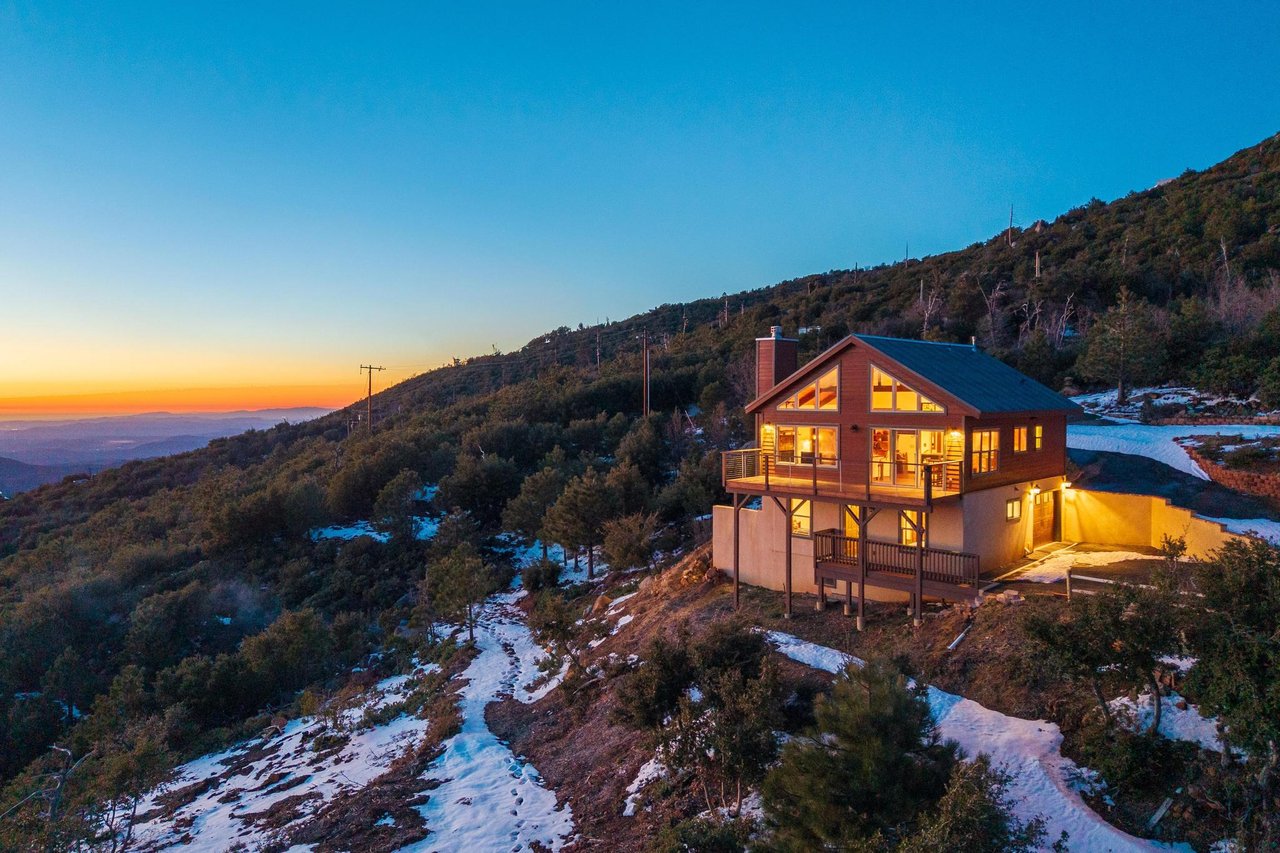
The Julian Community Plan describes a road network built around two-lane state routes, county roads, and a mix of paved and unpaved public and private roads. It also notes that secondary access is a concern in some populated areas.
That can affect how your home is shown and how buyers experience it. Appointment timing, turn-by-turn directions, gate instructions, and road condition notes can all matter more here than in a typical suburban sale.
Weather and road conditions can affect showings
The county plan also notes that snow removal is provided on state routes and county-maintained roads. Even so, seasonal weather can still shape showing logistics and travel timing.
In Example Neighborhood, a local agent can help coordinate showings with realistic timing and clear expectations. That creates a better buyer experience and helps your listing feel easier to access.
Wildfire readiness is part of selling
Wildfire risk is a real part of owning and selling property in Julian. San Diego County Fire serves Julian, and the county ties defensible-space requirements to local ordinance and the 2023 Consolidated Fire Code.
CAL FIRE states that 100 feet of defensible space is required by law. The State Fire Marshal also provides address-level fire hazard severity zone tools, which makes location-specific preparation and disclosure important.
What sellers should prepare
Before your home hits the market, it helps to review:
- defensible space around structures
- property access for visitors and emergency response
- accurate fire-hazard disclosures
- documentation that helps explain the property clearly to buyers
Local expertise matters here because buyers often want practical answers, not vague reassurances. A seller who is prepared can inspire more confidence from the start.
Historic district rules can change strategy
The Julian Historic District was established by San Diego County in 1979. It includes the Julian Rural Village along with surrounding rural residential and agricultural land.
The community plan explains that the district exists to preserve Julian’s historic core and guide development in keeping with historic architecture. New construction, alterations, and site features such as fencing, exterior lighting, retaining walls, and landscaping are expected to follow district design standards.
For some Example Neighborhood properties, this may affect how you position the listing and what buyers need to understand. A home’s location inside or outside the historic district can shape both marketing and buyer expectations.
Similar homes may need different listing stories
Two homes with similar square footage may need very different marketing if one sits in the historic district, one is on acreage, or one has private-road access or utility limitations. Buyers do not just compare floor plans. They compare the full property package.
That is where local expertise becomes practical. You need a strategy that reflects the actual property, not a generic template.
What a local seller strategy should include
If you are selling in Example Neighborhood, a strong plan should account for the factors buyers in Julian care about most. That means looking beyond staging and photos alone.
A well-rounded local strategy often includes:
- pricing built on relevant neighborhood and rural-property comps
- clear explanations of wells, septic, sewer status, and utility setup
- showing plans that account for road access and weather conditions
- preparation for wildfire-related questions and disclosures
- awareness of historic-district or land-use considerations
When those pieces are handled well, your listing feels more credible, better prepared, and easier for buyers to understand.
Why this matters for sellers now
In a smaller market with 6.4 months of inventory and relatively few monthly closings, sellers benefit from precision. Buyers may have options, and they are often paying close attention to property-specific details.
That means your home needs more than exposure. It needs the right pricing, the right presentation, and the right local context.
Julian Realty’s approach fits that need well. With deep roots in the community, experience across homes, acreage, and land, and a modern marketing style, the team understands how to present backcountry properties in a way that feels polished, honest, and locally informed.
If you are thinking about selling in Example Neighborhood, working with someone who understands Julian’s rural infrastructure, market pace, and property differences can help you make better decisions from day one. When you are ready to talk through pricing, preparation, and the best way to position your property, connect with Julian Realty - Tiffany Bagalini.
FAQs
Why does local expertise matter when selling in Example Neighborhood?
- Local expertise matters because Julian-area buyers often evaluate more than the house itself, including land use, access, wells, septic systems, wildfire readiness, and whether a property falls within the historic district.
What market conditions should sellers know in Example Neighborhood?
- In April 2026, Julian ZIP code 92036 had 17 new listings, 8 pending sales, 7 closed sales, a median sales price of $695,000, and 6.4 months of inventory, which points to a smaller market where pricing and interpretation need care.
What utility details matter when selling a home in Example Neighborhood?
- Buyers may want to know about well status, water history, septic permits, maintenance records, sewer versus non-sewer setup, and propane or other energy arrangements.
How do road access and weather affect selling in Example Neighborhood?
- In Julian, showings can be affected by two-lane roads, paved or unpaved access, private-road coordination, and seasonal conditions, so clear directions and careful scheduling are important.
Do historic district rules affect home sales in Example Neighborhood?
- They can, depending on the property location, because the Julian Historic District includes the Rural Village and surrounding areas where design standards may apply to changes and site features.
What wildfire issues should sellers prepare for in Example Neighborhood?
- Sellers should be ready to address defensible space, fire-hazard disclosures, and property-specific preparation, since wildfire readiness is an important part of buyer education in Julian.