Thinking about buying land near Example Neighborhood? It can be an exciting step, but in Julian’s backcountry, land shopping is not as simple as finding a parcel you like and planning where the house will go. Rural property can vary widely from lot to lot, so the details matter. If you want to avoid surprises and make a more confident decision, this guide will walk you through the big issues to check before you buy. Let’s dive in.
Why land near Julian needs extra review
Land near Example Neighborhood sits in a very different setting than a typical suburban lot. In the Julian area, San Diego County’s community plan supports a low-density rural pattern with large acreage, scattered homes, and agricultural uses such as grazing, horse-related uses, tree crops, and wine making.
That rural pattern affects how you should evaluate a parcel. Large lot sizes help preserve open space, steep slopes, and agriculture, but they also mean two nearby properties can have very different building conditions. A parcel that looks promising online may have very different access, grading, utility, or permit realities once you dig deeper.
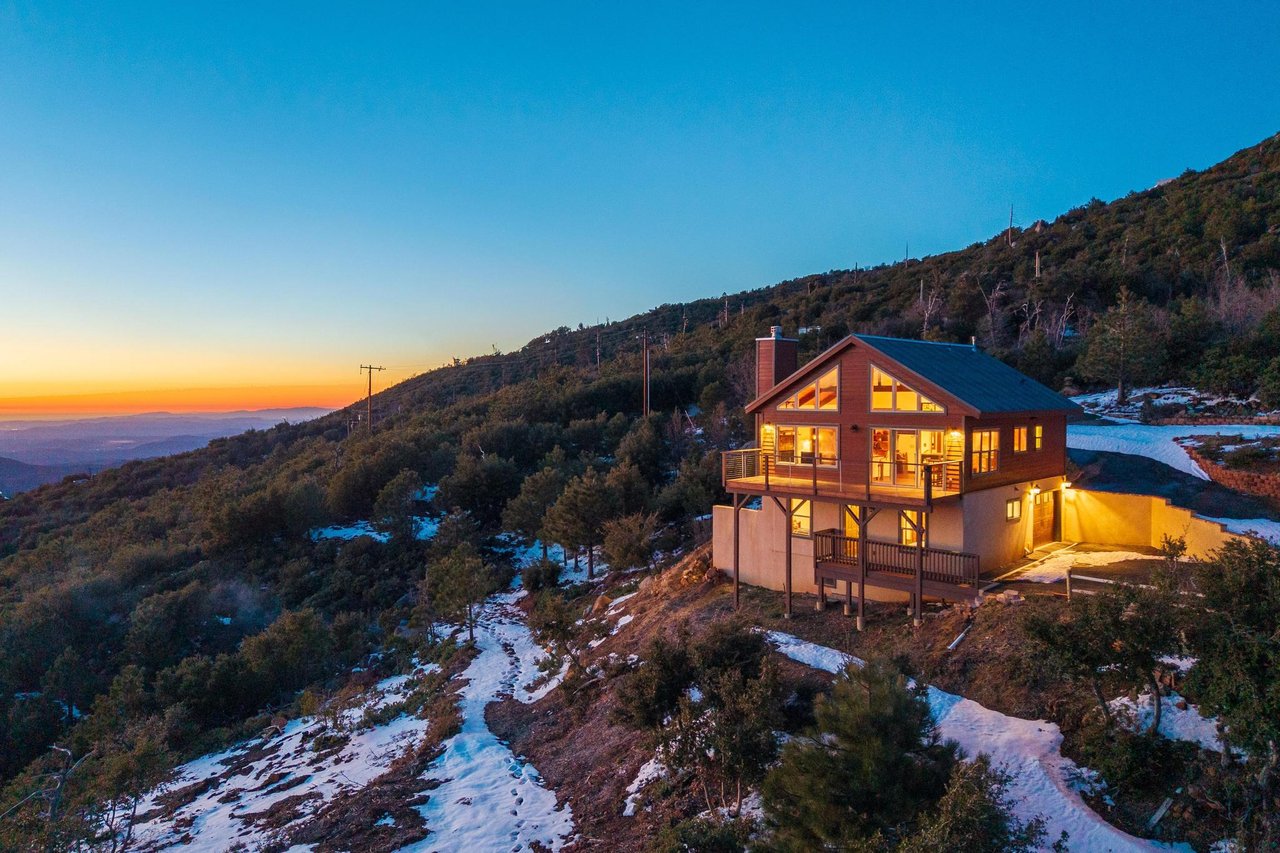
Julian’s elevation and mountainous topography also make the area somewhat isolated from the rest of the county. For you as a buyer, that means convenience, emergency access, water supply, and road conditions deserve close attention early in the process.
Start with the legal status
Before you get attached to a parcel, confirm that it is a legal lot. In San Diego County, an assessor parcel number does not automatically mean the property is a legally separate lot for building purposes.
That distinction matters because a legal lot determination may be needed before a building permit can be issued. If your goal is to build, this is one of the first questions to answer.
You should also review the zoning and ask whether the parcel is connected to any discretionary permit. The county also advises buyers to check title documents and grant deeds for easements, floodways, open-space easements, or covenants that may limit how the property can be used.
Use county research tools early
A smart first step is to gather as much county-level information as possible before spending money on design or engineering. San Diego County points buyers to tools such as its zoning and property research resources, GIS mapping, Property Summary Report, and Initial Study Research Report.
The Property Summary Report is especially helpful because it can be generated from the parcel’s APN in Accela and brought to the Permit Center for a pre-review. That can help you spot issues earlier and avoid moving too far down the road on a parcel that may not fit your plans.
Check road access carefully
Access is one of the most important parts of rural land due diligence. Near Example Neighborhood, the road you see on a map may be county-maintained, private, or tied to an easement, and that can affect both everyday use and future building plans.
San Diego County notes that many roads in unincorporated areas are private and maintained by property owners, not the county. Official survey maps may be needed to verify exact right-of-way boundaries.
If you plan to improve access through a public right-of-way or private road easement, county improvement plans may be required. That can affect cost, timing, and what is realistically possible.
If the road is private, it is also wise to check whether the property falls within a Permanent Road Division zone. These special districts help fund private road maintenance in unincorporated areas, which can matter for road condition, deliveries, and emergency access.
Water may be the biggest variable
For many rural buyers, water is the issue that changes everything. In Julian, San Diego County says groundwater is finite, and much of the unincorporated county depends on fractured-rock aquifers that can be more vulnerable during extended drought.
The Julian community plan also states that water is in short supply in the area and that water storage is desirable. That means you should not assume water questions are routine just because a parcel has nearby development.
If a property will depend on a well, feasibility is about more than asking whether a well can be drilled. County well-permit materials show that site review may involve parcel boundaries, easements, septic systems, roads, drainage patterns, nearby wells, existing structures, sewer laterals, and possible contamination sources.
In practical terms, you want to understand both the legal and physical setup of the site. A parcel may be attractive in many ways, but water planning can still shape the true cost and timeline of building.
Septic is not a small detail
If the parcel is not served by sewer, wastewater planning matters early too. In San Diego County, septic system installation and modification fall under county environmental health jurisdiction.
Residential septic sizing depends on percolation test data and the number of bedrooms. That means the site’s soils and your intended home size can directly affect system design.
County guidance also recognizes qualified septic designers such as civil engineers, registered geologists, and registered environmental health specialists. If you are comparing land options, this is one of the areas where experienced local professionals can help you understand whether a parcel is straightforward or more complex.
Slope and grading can change costs fast
Mountain and backcountry parcels often come with topography that looks beautiful but can be expensive to work with. County grading rules may require permits for earthwork, drainage, erosion prevention, planting requirements, slope design, and setbacks.
Some projects also require soils reports and civil-engineer supervision. In the Julian area, the community plan discourages extensive grading and recommends preserving steep slopes and open space.
That means the easiest place to build is not always the place with the best view. Before you buy, it helps to understand where a home site, driveway, septic area, and drainage improvements might realistically fit on the land.
Floodplain rules still matter in rural areas
If a parcel is near a creek, wash, or mapped flood area, floodplain review should be part of your due diligence. San Diego County requires permits for new development or alterations in regulated floodplain areas.
The county also states that nothing may be built or filled in a mapped floodway without engineering analysis showing the project will not increase flood damage elsewhere. Even if the parcel feels dry most of the year, mapped conditions can still affect where and how you build.
Fire risk and emergency access are central
Fire risk is a major consideration when buying land near Example Neighborhood. The Julian community plan describes the area as one of the county’s highest fire-danger areas due to brush, steep slopes, and Santa Ana wind conditions.
The plan also notes that water is a primary firefighting tool and is in short supply. That makes site planning, storage, and access even more important.
Julian is within the San Diego County Fire Protection District, which provides fire and emergency medical services to unincorporated communities. For you as a buyer, details like road width, turnouts, driveway grade, and year-round access are not just convenience items. They are part of the property’s buildability and emergency-response picture.
CAL FIRE’s Fire Hazard Severity Zone maps also factor in fire history, vegetation, terrain, embers, and weather. Those map updates were released in phases through March 24, 2025, so checking the current map status for a parcel is a sensible step.
Build a strong due diligence team
Buying land in Julian’s backcountry usually works best when you treat it like a site-specific project. County guidance encourages buyers to research consultants early because good questions up front can help prevent delays and revisions later.
Depending on the parcel, your team may include a county-experienced real estate agent, a surveyor, a civil engineer, a geotechnical professional, a septic designer or environmental health specialist, and a well contractor. Not every property needs the same level of review, but rural land often rewards a careful, layered approach.
This is where local knowledge can make a real difference. A team familiar with Julian-area acreage can help you focus on the practical questions that matter most before you commit.
A simple land-buying checklist
If you are considering land near Example Neighborhood, start with these basics:
- Confirm whether the parcel is a legal lot
- Review zoning and any permit-related restrictions
- Check title items for easements, covenants, floodways, or open-space limits
- Research county property reports and mapping tools
- Verify road access, maintenance responsibility, and right-of-way details
- Evaluate water options and well-related site conditions
- Review septic feasibility and likely testing needs
- Consider slope, grading, drainage, and building pad challenges
- Check for mapped floodplain or floodway issues
- Review fire hazard conditions and emergency-access factors
Why local guidance matters
Rural land can offer space, privacy, and long-term potential, but it also asks more of you during the buying process. Near Example Neighborhood, a strong purchase decision usually comes down to understanding the parcel beyond the listing photos.
When you know how to evaluate access, water, septic, grading, and fire-related issues, you can move forward with more confidence. And when you have local guidance, you are more likely to spot the important questions before they become expensive surprises.
If you are exploring land near Example Neighborhood and want practical, local insight, Julian Realty - Tiffany Bagalini can help you evaluate what makes a parcel workable, what deserves a closer look, and how to move forward with clarity.
FAQs
What should you check first when buying land near Example Neighborhood?
- Start by confirming whether the parcel is a legal lot, then review zoning, title restrictions, and county property research tools before spending money on plans or reports.
Why is road access important for land near Example Neighborhood?
- Access affects daily use, deliveries, emergency response, and future building plans, especially if the road is private or tied to an easement.
How does water availability affect land near Example Neighborhood?
- Water is a major rural-property variable in the Julian area because groundwater is finite and site conditions can affect whether a well is feasible and compliant.
What should you know about septic systems for land near Example Neighborhood?
- Septic feasibility depends on site conditions, including percolation data and planned bedroom count, so it should be reviewed early if sewer service is not available.
Why do slope and grading matter for land near Example Neighborhood?
- Steep terrain can affect building-pad placement, drainage, driveway design, permit requirements, and overall development cost.
How does fire risk affect land near Example Neighborhood?
- Fire risk can influence access, driveway design, water planning, and overall buildability because the Julian area has high fire-danger conditions and emergency-access needs.
Who can help you evaluate land near Example Neighborhood?
- A county-experienced real estate agent, along with professionals such as a surveyor, engineer, septic designer, geotechnical expert, or well contractor, can help you assess a parcel more thoroughly.