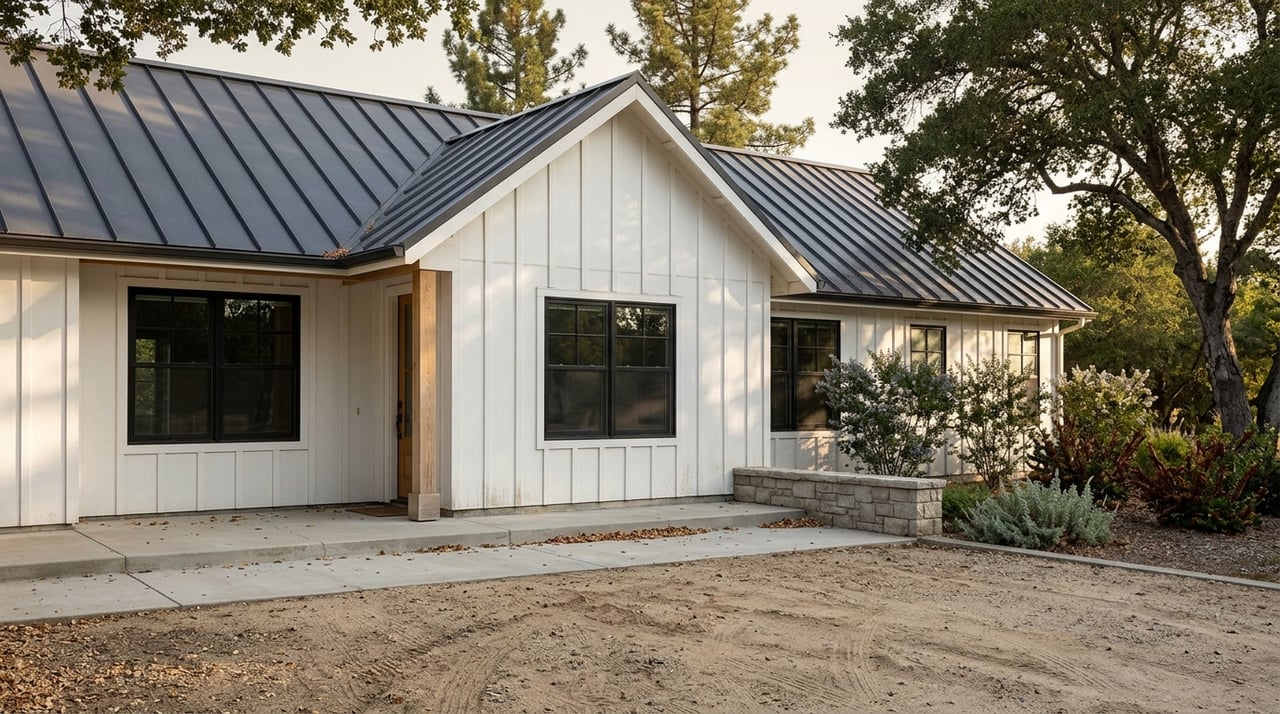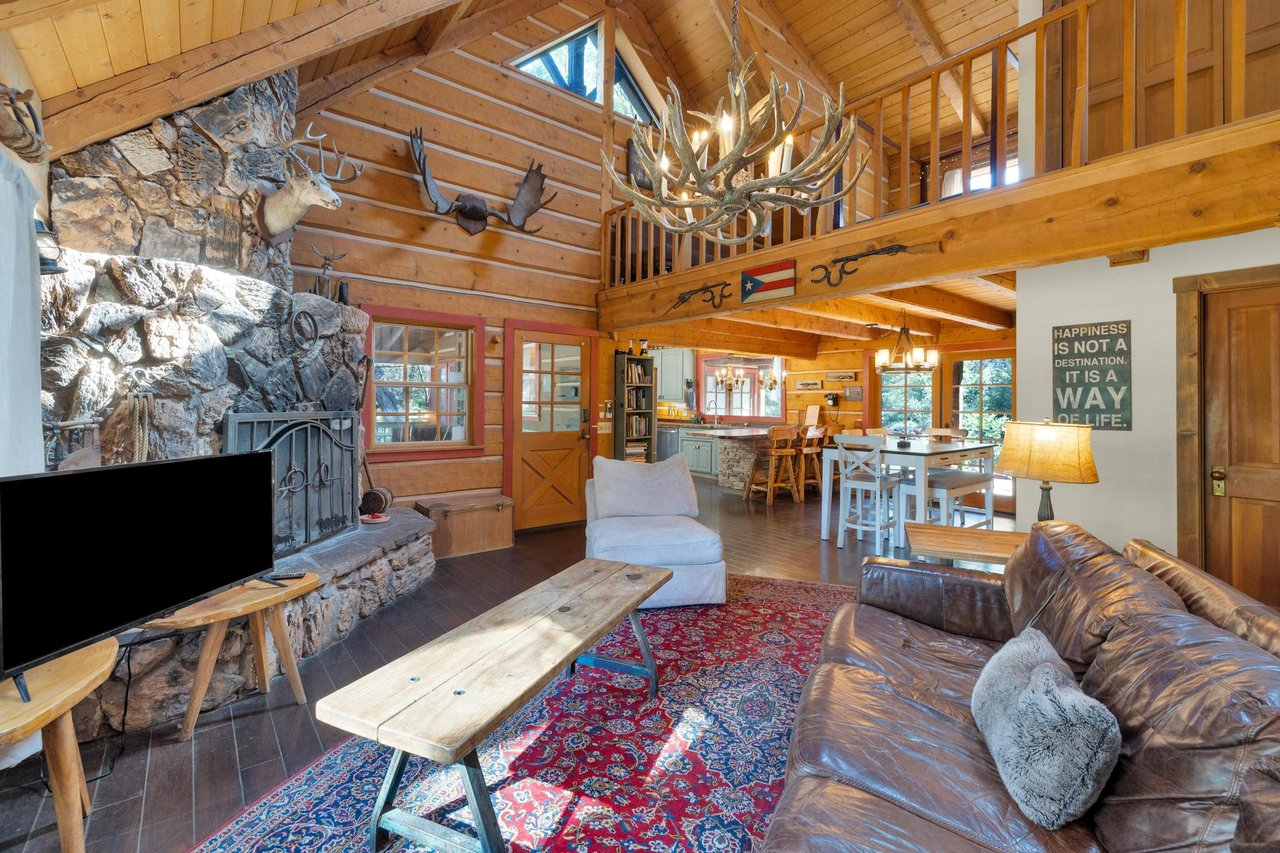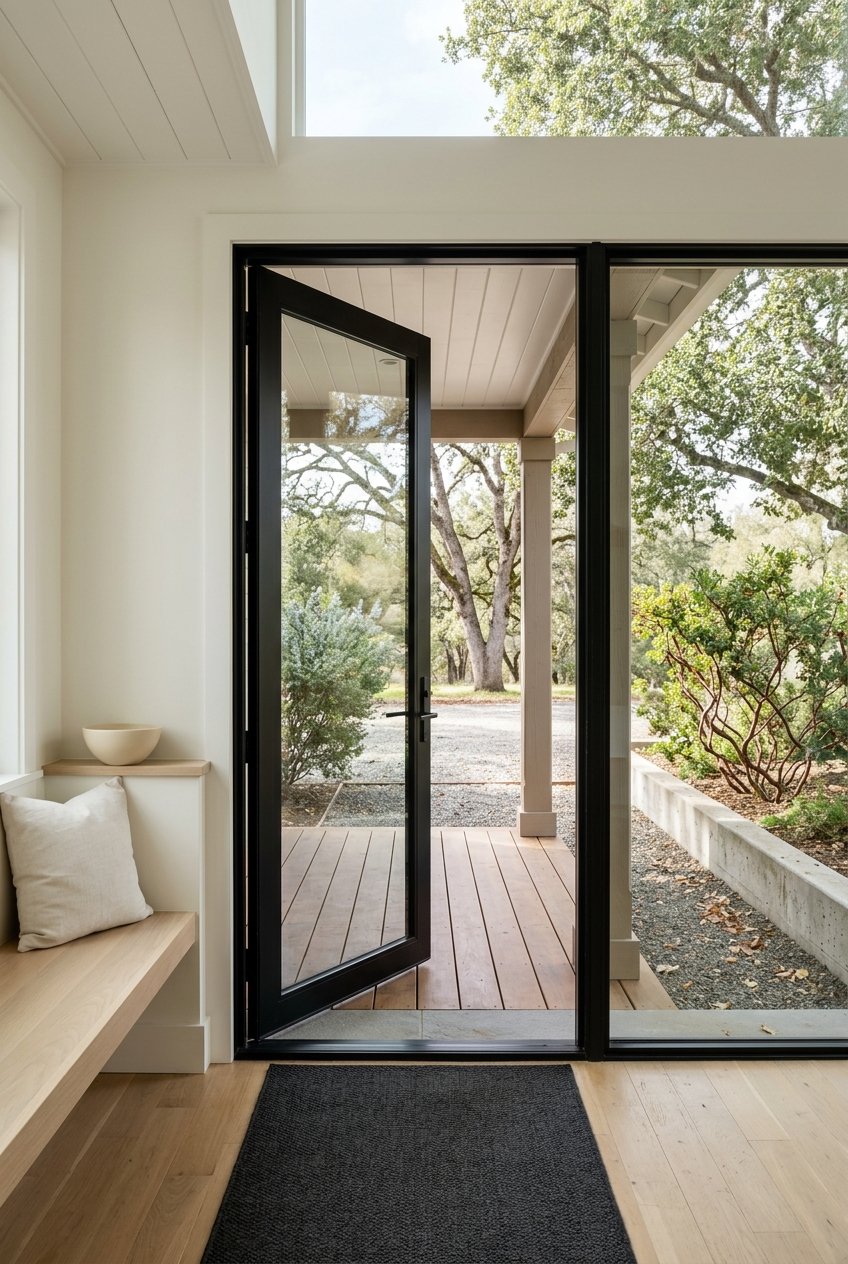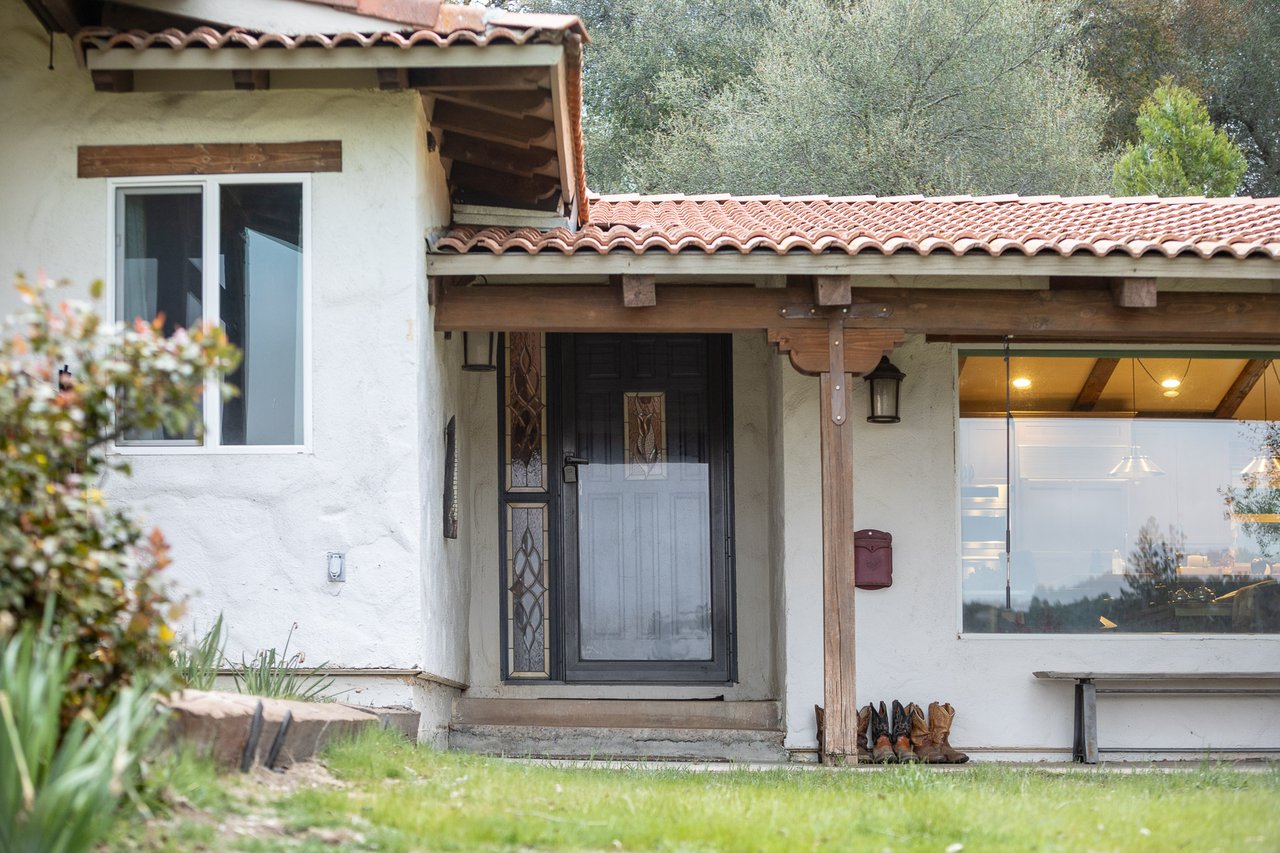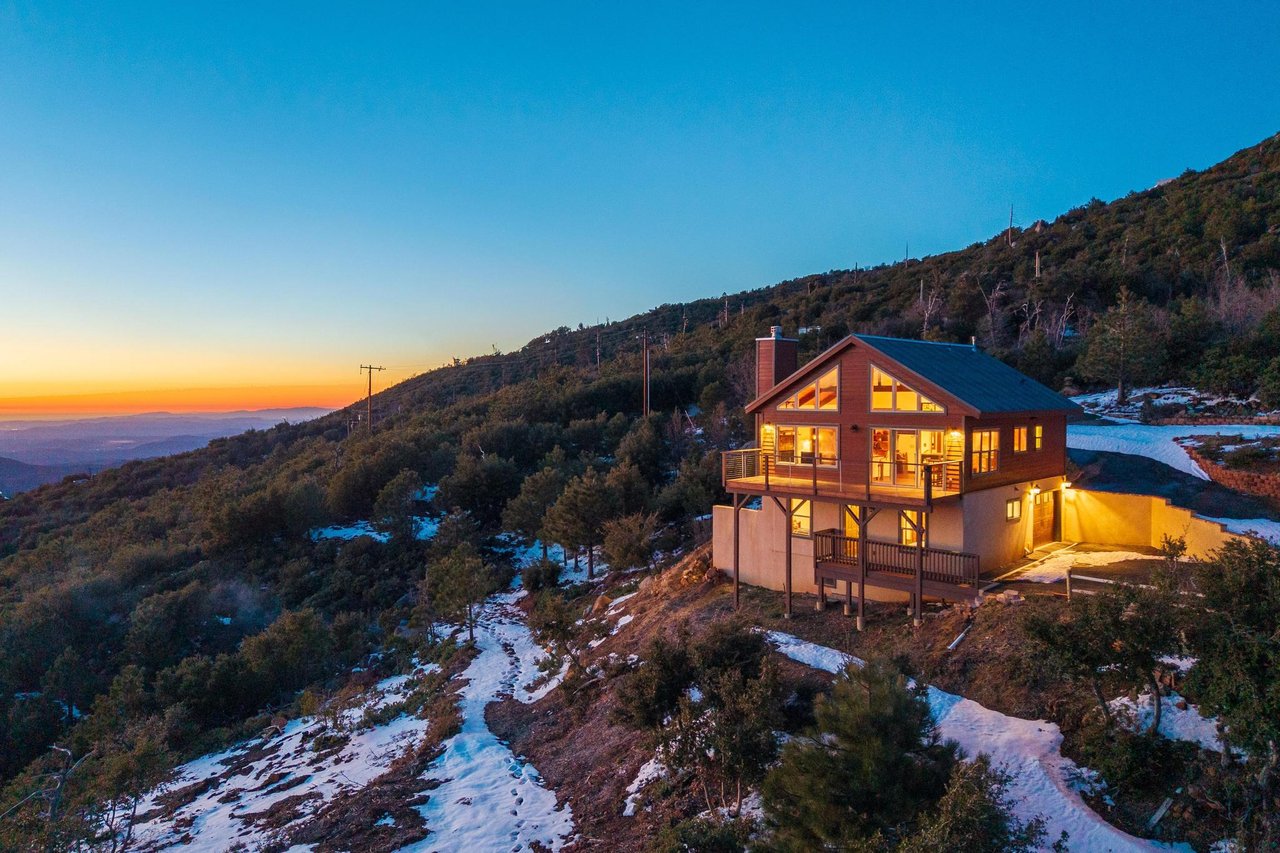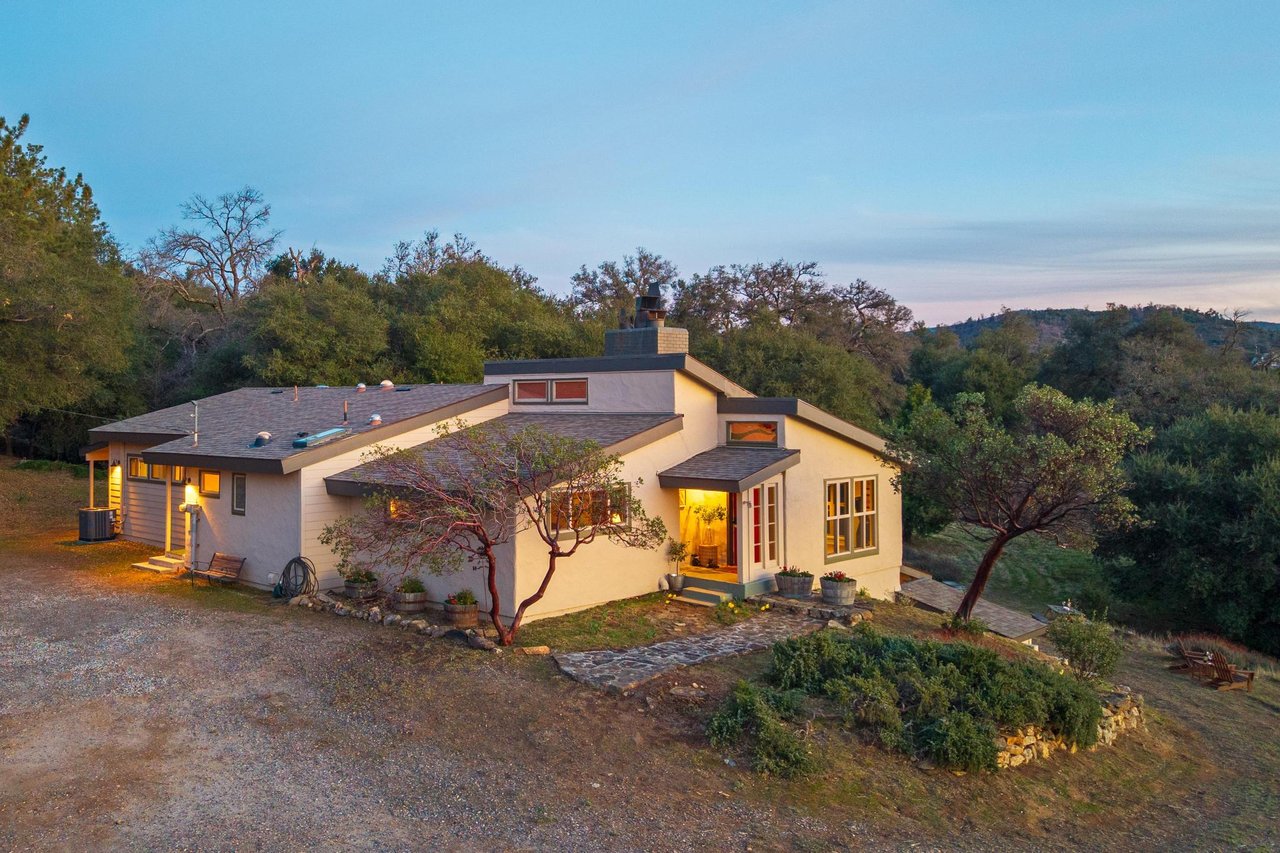

Dreaming about a place where weekends feel slower, the air feels cleaner, and your home can double as a personal retreat? If you are considering owning a vacation home in Example Neighborhood, you are probably weighing more than just price and location. You also want to know how the property may fit your lifestyle, what rural ownership really involves, and what to check before you buy. Let’s walk through the big-picture issues that matter most.
Why Example Neighborhood Appeals to Vacation Buyers
A vacation home in Example Neighborhood can offer something many buyers are looking for: a true backcountry escape with room to breathe. In markets like Julian and the surrounding backcountry, second-home ownership often blends personal enjoyment with the possibility of seasonal rental income.
That mix can be appealing, but it also means you need to think beyond the usual home search. In this area, ownership often includes rural property systems, wildfire planning, and local short-term rental rules that can shape how you use the home.
How You Might Use the Home
Before you buy, it helps to be clear about your main goal. Most vacation-home owners in the Julian and backcountry market fall into one of three common use patterns.
Personal Retreat Only
Some buyers want a home strictly for personal use. That may mean weekend getaways, holiday stays, or a seasonal escape for you and your family, with no rental activity at all.
If that is your plan, your search can stay focused on comfort, setting, access, and upkeep. You may care less about rental demand and more about whether the property feels easy to enjoy year after year.
Occasional Short-Term Rental
Other buyers hope to use the home part of the year and rent it out at other times. In unincorporated San Diego County, stays of 30 days or less trigger transient occupancy tax obligations, and owners are responsible for registering the property, obtaining a TOT certificate, and collecting and remitting the tax.
San Diego County says the current TOT rate is 8 percent of rent. The county also launched an online registration and reporting portal in June 2024, which makes this an important part of planning if rental use is part of your ownership strategy.
Mixed Personal and Rental Use
Many second-home buyers land somewhere in the middle. You may want the flexibility to enjoy the home yourself while also offsetting costs with occasional rental income.
That can work, but mixed-use ownership brings extra layers. Your local obligations and your tax treatment can depend on how many days the home is rented and how many days you use it personally, so it is smart to define your intended use early.
Understand Local Rental Rules First
If rental income is part of your plan, local rules should be part of your early research, not an afterthought. This is especially true in backcountry areas where jurisdiction matters.
What Counts as a Short-Term Rental
In unincorporated San Diego County, a stay of fewer than 30 consecutive days is treated as short-term rental use for the county housing program. That means a vacation home in Example Neighborhood may fall into that category depending on the parcel location and how the property is used.
Because the rules depend on jurisdiction, one of the first questions to answer is whether the property is in an unincorporated area and what local requirements apply. That step can help you avoid surprises after closing.
Business License Questions
San Diego County says no business license is needed in unincorporated areas. Still, that does not mean there are no rules to follow.
Owners may still need to comply with tax reporting, planning, housing, noise, and fire-related requirements. For many vacation-home owners, the recurring issue is staying on top of TOT filings and deadlines.
Neighbor Relations Matter
In a vacation setting, it is easy to focus on guests and income potential. But in unincorporated San Diego County, noise from private property can lead to code compliance investigations, and the Sheriff handles nuisance noise complaints, including noise tied to short-term rentals.
That makes good neighbor practices more than simple courtesy. Clear house rules, thoughtful occupancy planning, and respect for the surrounding area can help reduce friction and protect your ownership experience.
Rural Systems Need Extra Attention
One of the biggest differences between buying a vacation home in a backcountry setting and buying in a more typical suburban area is the infrastructure. Rural systems can affect both your daily use and your long-term costs.
Wells and Water Supply
In rural parts of San Diego County, water wells are often the only potable water supply. The county says well installation or modification requires a county permit, which makes the water source and well history critical due-diligence items.
Before you buy, it is worth understanding where the property’s water comes from and what records may be available. A home’s setting may be beautiful, but the practical details behind the water supply matter just as much.
Septic Systems and Service Needs
Septic ownership is another major part of rural property use. San Diego County oversees septic installation and modification through DEHQ, and property owners can obtain septic tank permits through the county.
The county also runs a septic rebate program focused on maintenance and pumping. That is a useful reminder that septic systems come with recurring care, not just one-time installation concerns.
Budget Beyond the Mortgage
When you picture a vacation home budget, it is easy to focus on mortgage, taxes, and insurance. In a backcountry property, you should also plan for water and wastewater system service and maintenance.
That kind of budgeting can make ownership feel more predictable. It also helps you compare properties more accurately, especially if one home has systems that may need closer attention than another.
Wildfire Planning Is Part of Ownership
For buyers considering Example Neighborhood and the surrounding backcountry, wildfire exposure is not a side topic. It is one of the core issues that can affect property choice, maintenance, and insurance.
Fire Hazard Designations Can Change
San Diego County Fire says Local Responsibility Area fire-hazard maps were revised in 2025, and properties in the County Fire Protection District may have changed hazard designations. CAL FIRE maps classify land as moderate, high, or very high hazard, and the maps measure hazard rather than risk.
That distinction matters. A map designation is not the whole story, but it is an important part of understanding the property’s setting and what ownership may require.
Defensible Space and Home Hardening
The county says defensible space is one of the most important steps for improving a home’s chance of surviving wildfire. CAL FIRE also recommends defensible space and home hardening using ignition-resistant or noncombustible materials.
If you are comparing homes, look at the property not just as it stands today, but also in terms of what ongoing vegetation management and exterior improvements may be needed. A beautiful mountain property often comes with equally important responsibility.
Check Insurance Early
Insurance availability can shape whether a vacation home still feels affordable once the full monthly cost becomes clear. In wildfire-exposed areas, this is something to check early in the process.
If standard homeowners coverage is difficult to obtain, the California FAIR Plan is the state’s insurance safety-net option. The California Department of Insurance notes that FAIR Plan policies do not cover all perils, such as theft and liability, so some owners may want a separate difference in conditions policy.
The FAIR Plan also offers wildfire-related discounts for certain home-hardening improvements. Even so, the key takeaway is simple: insurance should be part of your early due diligence, not something left until the final days before closing.
What to Verify Before Closing
A vacation home can be exciting, but a calm, informed purchase usually comes down to checking the right details before you commit. In the Julian and backcountry market, a few items deserve extra attention.
Your Pre-Closing Checklist
- Confirm the property’s jurisdiction and whether local short-term rental rules may apply
- Verify the water source and review any available well history
- Review septic system details and ask about maintenance needs
- Check wildfire hazard context and defensible space conditions
- Explore insurance availability early
- Build a realistic ownership budget that includes rural system upkeep
These steps can help you move from a good first impression to a confident decision. They also help you see whether a home fits the way you actually want to use it.
Why Local Guidance Helps
Buying a vacation home in Example Neighborhood is rarely just about finding a charming house. You are also evaluating land, systems, access, fire considerations, and the practical realities of part-time ownership in a rural market.
That is where local context matters. When you work with a team that understands Julian and the surrounding backcountry, you can ask better questions, spot issues earlier, and make a decision that fits both your lifestyle and your long-term plans.
If you are thinking about buying a vacation home in Example Neighborhood, Julian Realty - Tiffany Bagalini can help you navigate the backcountry details with steady, local guidance.
FAQs
What should you check before buying a vacation home in Example Neighborhood?
- Focus on the property’s water source, septic system, wildfire hazard context, defensible space, insurance availability, and whether short-term rental rules may apply.
Can you use a vacation home in Example Neighborhood as a short-term rental?
- Often yes, but you need to verify the parcel’s jurisdiction and local requirements. In unincorporated San Diego County, stays of 30 days or less trigger transient occupancy tax obligations.
Do you need a business license for a vacation rental in unincorporated San Diego County?
- San Diego County says no business license is needed in unincorporated areas, but owners may still need to follow tax reporting and other local rules.
Why are wells important when buying a backcountry vacation home?
- In rural San Diego County, wells are commonly the only potable water supply, so the water source and well history are important parts of due diligence.
Why does septic matter for a vacation home in the Julian area?
- Septic systems require ongoing maintenance and can affect your ownership costs, so it is important to understand the system and service needs before closing.
How does wildfire affect vacation-home ownership in Example Neighborhood?
- Wildfire can affect hazard designations, defensible space expectations, home-hardening needs, and insurance options, which is why buyers should review these issues early.